
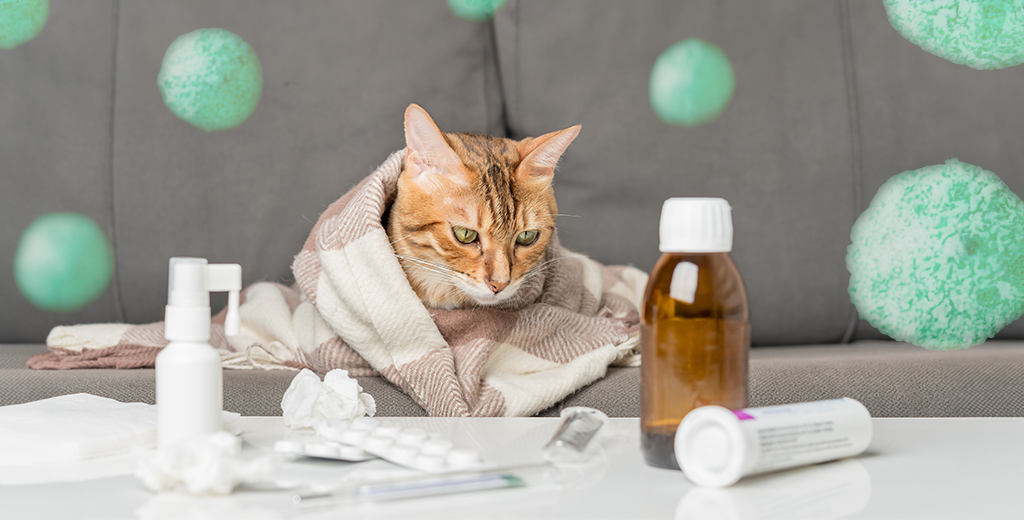
When your cat starts “snuffling,” wheezing, or struggling to breathe through their nose, it’s more than just a minor annoyance.
Because cats are obligate nasal breathers, even a moderate amount of congestion can be incredibly distressing.
Furthermore, a congested cat often loses their sense of smell, which is the primary trigger for their appetite.
If they can’t smell their food, they won’t eat, leading to a rapid decline in energy.
Understanding the “why” behind the wheeze is the first step toward clearing the air for your feline friend.
In this post, we will explore 5 ways to ease cat congestion, starting with its causes.
Let’s dive in!
What Causes Cat Congestion?
Feline congestion is typically centered in the upper respiratory tract. Unlike humans, who often get “colds” from various rhinoviruses, cats usually deal with more persistent viral and bacterial triggers.
The most common causes of cat congestion include:
- Feline Herpesvirus-1 (FHV-1): The leading cause of chronic congestion. It causes the tissues inside the nose to swell and produce thick, sticky mucus.
- Feline Calicivirus: Often causes congestion alongside painful mouth sores, making it difficult for the cat to breathe and eat comfortably.
- Secondary Bacterial Infections: Viruses often open the door for bacteria like Pasteurella or Bordetella, which turn clear nasal discharge into thick yellow or green “plugs.”
- Dry Indoor Air: During winter months, heaters strip moisture from the air, drying out a cat’s nasal membranes and making mucus harder to clear.
- Nasal Polyps or Allergies: Physical growths or environmental irritants (like dusty litter) can cause chronic inflammation, leading to a permanent “stuffy” feeling.
5 Ways to Ease Cat Congestion
Supporting a congested cat requires thinning the mucus and addressing the viral load that is causing the inflammation.
1. Cat Lysine
If your cat’s congestion is caused by Feline Herpesvirus, which is true for a vast majority of cats, L-Lysine is your most effective long-term support tool.
Lysine is an amino acid that competes with Arginine, a nutrient the herpesvirus needs to replicate.
By supplementing with Lysine, you essentially put the virus on a “starvation diet,” reducing its ability to cause tissue inflammation.
This leads to less mucus production, fewer sneezing fits, and clearer airways.
It is a natural way to manage “flare-ups” without resorting to harsh medications.
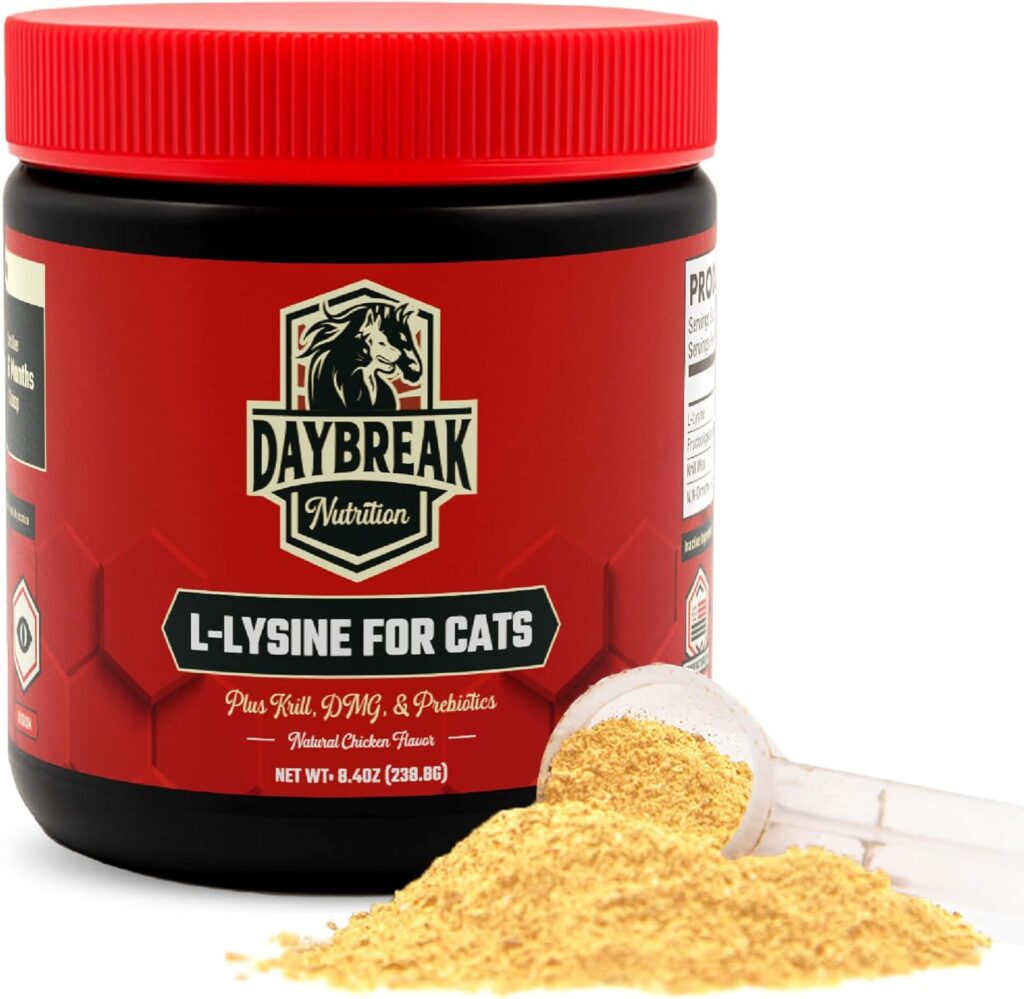
Out of all of the lysine supplements my cat has tried, her personal favorite is Daybreak’s Lysine for Cats.
Daybreak is the preferred choice for owners dealing with chronic congestion because its high-potency, pharmaceutical-grade formula effectively suppresses the viral replication that causes nasal tissue inflammation.
By naturally “starving” the Feline Herpesvirus, our supplement helps thin out thick mucus and reduces the frequency of “snuffling” and sneezing fits.
It’s a proactive, easy-to-administer solution that ensures your cat’s airways stay clear and their sense of smell stays sharp, allowing them to feel their best and never miss a meal.
Simply follow the directions on the back, and you’re good to go!
2. Use a “Steam Room” Approach
The simplest way to thin out thick nasal mucus is with heat and moisture.
Bring your cat into the bathroom while you run a hot shower, allowing the room to fill with concentrated steam.
Let them breathe the warm, moist air for 15 minutes.
This acts as a natural expectorant, moisturizing the nasal passages and making it much easier for your cat to sneeze out the “plugs” that are blocking their breathing.
3. Clear the “Crusties” with Warm Compresses
When nasal discharge dries on the outside of the nostrils, it can form a hard scab that physically blocks airflow.
Never pick these off dry, as it can be painful. Instead, soak a soft cloth in warm water and hold it gently against the nose.
Once the debris is softened, wipe it away to ensure the “entryway” to the nasal passages is completely clear.
This small act of hygiene can significantly improve their comfort level.
4. Offer Aromatic, Warmed Foods
Because congestion kills a cat’s sense of smell, they often lose interest in food.
To keep their strength up, offer high-aroma wet foods (like sardine or salmon varieties) and warm them slightly in the microwave.
The heat helps the scent molecules travel through even the stuffiest nose, enticing the cat to eat.
Proper nutrition provides the calories needed for the immune system to fight off the underlying infection.
5. Run a Cool-Mist Humidifier
If your home has dry air, a cat’s nasal passages can become “parched,” causing the mucus to become thick and immovable.
Running a cool-mist humidifier near your cat’s favorite sleeping spot adds consistent moisture back into their environment.
This prevents the nasal membranes from becoming overly irritated and helps keep the respiratory tract lubricated, allowing for smoother, quieter breathing.
Ease Cat Congestion
Managing feline congestion is all about consistency.
By using a potent Lysine supplement to target the viral source and providing environmental humidity, you can help your cat breathe easily again.
If your cat’s congestion is accompanied by a high fever or if they are open-mouth breathing, please seek veterinary care immediately.
Thank you for reading, and here’s to a clear-breathing, happy cat!
Affiliate Disclosure
Some of the links on this site are affiliate links. This means that if you click on the link and purchase the item, we may receive an affiliate commission at no extra cost to you. I only recommend products or services that I believe will add value to my readers; however, some (not all) do pay us to be on this blog. Your support and theirs help keep this blog running, and I genuinely appreciate it.
Medical Disclaimer
The information provided on this website is for educational purposes only and is not intended as medical advice. This blog or the writer is not a licensed healthcare professional, and the content should not be used as a substitute for professional medical diagnosis, treatment, or advice. Always consult with your physician or other qualified healthcare provider before starting any new treatment or making any changes to your pet’s healthcare routine.