
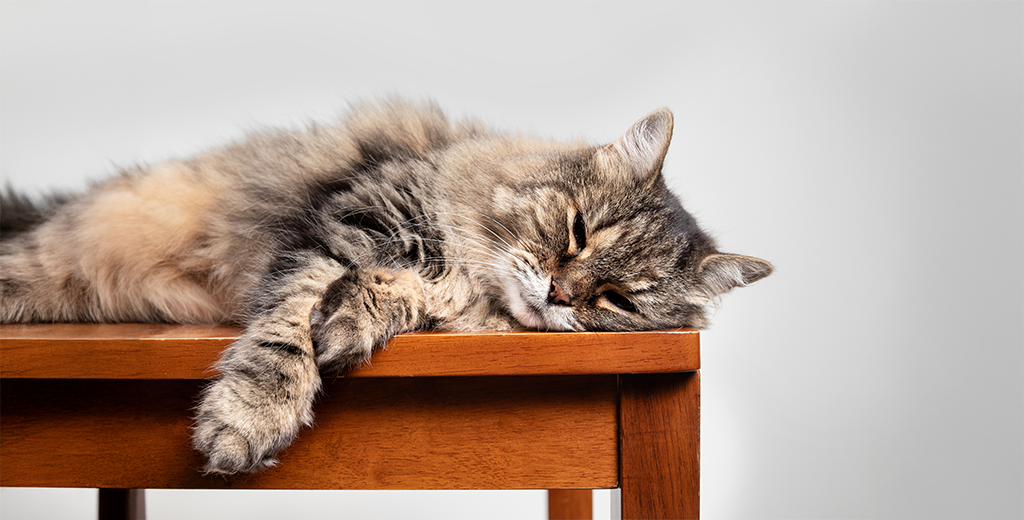
Waking up to a cat that is sneezing, congested, and struggling with runny eyes is a heart-wrenching experience.
While it’s commonly referred to as “cat flu,” this isn’t the same as the influenza virus humans get.
In felines, it is a complex of upper respiratory infections that can leave your pet feeling lethargic and miserable.
Because cats rely heavily on their sense of smell to stimulate their appetite, a “stuffy” cat often stops eating, which can lead to a quick decline in health.
In this post, we will explore 5 ways to ease cat flu, starting with its causes.
Let’s dive in!
What Causes Cat Flu?
Cat flu is rarely caused by a single pathogen. Instead, it is usually a combination of viral and bacterial infections that target the upper respiratory tract.
The primary culprits include:
- Feline Herpesvirus-1 (FHV-1): This is the most common cause. Once a cat is infected, the virus remains in their nerve cells for life and can “flare up” during times of stress or illness, causing severe eye discharge and sneezing.
- Feline Calicivirus (FCV): This virus often causes mouth ulcers and drooling in addition to respiratory symptoms. It is highly contagious and can survive on surfaces for several days.
- Bacterial Infections: Bordetella bronchiseptica and Chlamydophila felis are bacteria that can move in as “secondary infections,” turning clear discharge into thick, yellow, or green mucus.
- Environmental Stress: Because these viruses often lay dormant, a sudden change in the home—like a move or a new pet—can suppress the immune system enough for the “flu” to take hold.
5 Ways to Ease Cat Flu
Helping a cat through the flu involves a “dual-track” approach: inhibiting viral replication internally and providing physical comfort externally.
1. Lysine for Cats
When it comes to managing the Feline Herpesvirus, the leading cause of cat flu, L-Lysine is the gold standard for nutritional support.
L-Lysine is an essential amino acid that works by limiting the availability of arginine, which the herpesvirus requires to replicate.
By supplementing your cat’s diet with Lysine, you effectively slow down the virus’s ability to multiply, which helps reduce the severity of sneezing, squinting, and congestion.
It is a proactive way to bolster their immune system and shorten the duration of a flare-up without the use of harsh chemicals.
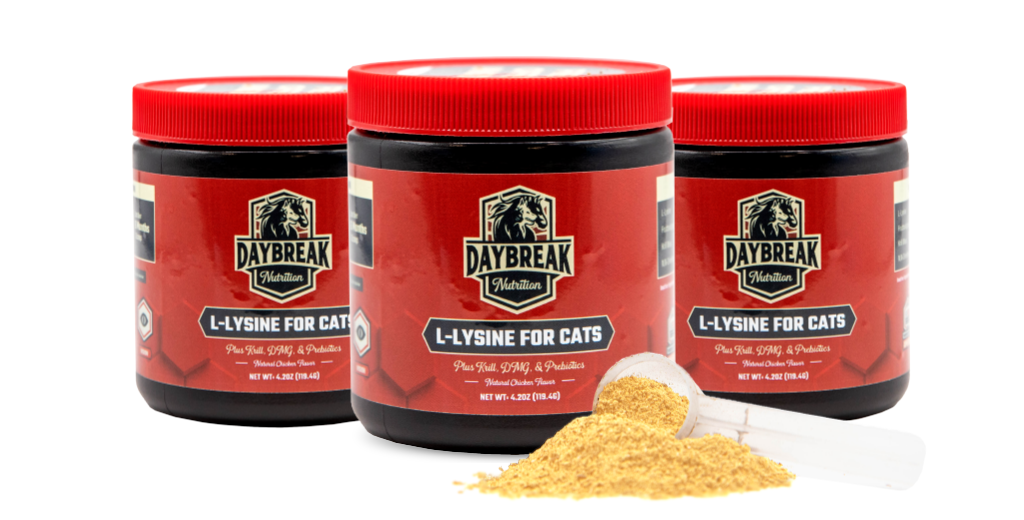
Out of all of the lysine my cat has tried, her personal favorite is Daybreak’s Lysine for Cats.
Daybreak’s Lysine for Cats is a high-potency immune support supplement specifically formulated to help felines manage the debilitating symptoms of Feline Herpesvirus and upper respiratory issues.
By providing a concentrated source of this essential amino acid, it effectively interferes with viral replication, helping to clear up “weepy” eyes, reduce sneezing, and prevent painful squinting.
These easy-to-administer supplements are a natural, proactive way to boost your cat’s defenses for flu support.
Simply follow the directions in the back, and you’re good to go!
2. Steam Therapy and Humidity
Congestion is one of the most dangerous aspects of cat flu because a cat that can’t smell won’t eat.
To help clear their nasal passages, turn your bathroom into a steam room.
Run a hot shower for a few minutes and sit with your cat in the steamy room (not in the water) for 10–15 minutes twice a day.
The warm, moist air helps loosen the mucus in their sinuses, making it easier for them to breathe and eventually regain their sense of smell.
3. Keep Eyes and Nose Clean
Cat flu discharge can quickly become crusty and painful, especially around the delicate skin of the nose and eyelids.
Use a soft cloth or cotton ball soaked in warm saline or plain warm water to gently wipe away any discharge as soon as it appears.
Keeping the nostrils clear is vital for their breathing, and keeping the eyes clean prevents the “gluing” effect that can lead to secondary eye infections.
Always use a fresh cloth for each eye to prevent spreading bacteria.
4. Offer High-Aroma, Warmed Food
A cat’s appetite is driven by scent.
When they are congested, they often lose interest in their regular kibble.
To encourage them to eat, offer smelly wet food (like tuna or sardine-based formulas) and warm it up slightly in the microwave.
Warming the food releases the aroma molecules, making it more likely that your cat will be able to smell it through their congestion.
Staying nourished is critical for providing the energy their body needs to fight the infection.
5. Minimize Stress and Maximize Rest
Recovery requires energy, and a stressed cat is an immunocompromised cat.
During a flu flare-up, keep your cat in a quiet, warm, and draft-free area of the house.
Limit their interactions with high-energy pets or children and provide plenty of soft bedding.
By creating a low-stress sanctuary, you allow their “fight or flight” response to turn off, which redirects all of their internal resources toward healing and immune recovery.
Ease Cat Flu
While most cases of cat flu can be managed at home with immune support like Lysine and supportive care, keep a close watch on their hydration.
If your cat stops drinking or if their breathing becomes labored, contact your veterinarian immediately.
With a little extra love and the right nutritional tools, your cat will be back to their purring, healthy self soon.
Thank you for reading, and here’s to a clear-eyed, healthy kitty!
Affiliate Disclosure
Some of the links on this site are affiliate links. This means that if you click on the link and purchase the item, we may receive an affiliate commission at no extra cost to you. I only recommend products or services that I believe will add value to my readers; however, some (not all) do pay us to be on this blog. Your support and theirs help keep this blog running, and I genuinely appreciate it.
Medical Disclaimer
The information provided on this website is for educational purposes only and is not intended as medical advice. This blog or the writer is not a licensed healthcare professional, and the content should not be used as a substitute for professional medical diagnosis, treatment, or advice. Always consult with your physician or other qualified healthcare provider before starting any new treatment or making any changes to your pet’s healthcare routine.