
Hairballs are a common and often unpleasant issue for cats, particularly those with longer coats.
While hairballs are a normal part of a cat’s grooming process, excessive hairballs can lead to discomfort, vomiting, and even digestive issues.
Understanding what causes hairballs and how to manage them is crucial for your cat’s well-being.
In this blog, we’ll discuss five ways to ease cat hairballs, starting with the causes of hairballs.
Let’s dive in!
What Causes Hairballs in Cats?
Hairballs are caused by cats grooming themselves to clean their fur.
During the grooming process, cats lick their fur, ingesting loose hairs.
Most of these hairs are swallowed and passed through the digestive system, but some may remain in the stomach, forming a ball.
Hairballs are more common in cats with long fur, but even short-haired cats can experience them.
Factors such as shedding, dry skin, or excessive grooming can contribute to an increase in hairballs.
Additionally, older cats may be less efficient in grooming, leading to more hair accumulation.
5 Ways to Ease Cat Hairballs
1. Use a Cat Prebiotic & Probiotic Supplement
One of the most effective ways to help your cat manage hairballs is by using a prebiotic and probiotic supplement.
These supplements work to improve your cat’s digestive health by promoting the growth of beneficial bacteria in the gut.
The probiotics help regulate digestion, reduce inflammation, and support the smooth passage of hair through the digestive tract.
Prebiotics provide nourishment for these good bacteria, allowing for more efficient digestion and a healthier gut.
This combination can help reduce hairball formation, ease constipation, and improve overall digestive health.
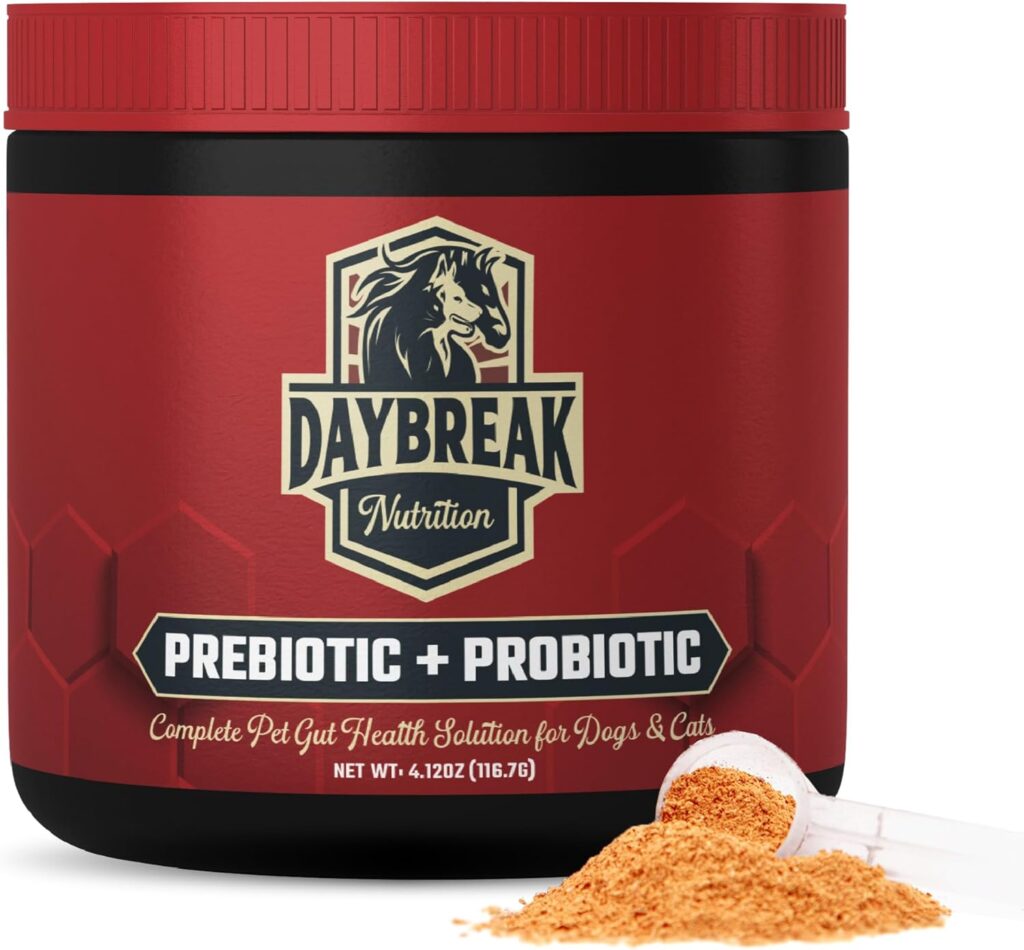
Out of all of the prebiotics and probiotics my cat has tried, Daybreak’s new Prebiotic + Probiotic is her personal favorite.
This prebiotic & probiotic powder is excellent for managing cat hairballs, as it supports healthy digestion and reduces the formation of hairballs.
The 6 billion CFU of probiotics and natural prebiotics from flaxseed and pumpkin work together to improve gut health, soothe sensitive stomachs, and enhance nutrient absorption.
By balancing the digestive system and promoting the growth of beneficial bacteria, this powder helps your cat pass hair more efficiently, preventing discomfort and excessive hairball buildup.
Simply follow the directions on the back and you’re good to go!
2. Regular Brushing
Brushing your cat regularly is one of the most effective ways to reduce hairballs.
Regular grooming helps remove loose fur before it’s ingested, preventing it from accumulating in the stomach.
Depending on your cat’s coat type, brushing may need to be done daily or weekly.
Long-haired cats, in particular, benefit from frequent brushing to prevent mats and tangles, which can lead to more hair being swallowed.
Brushing also helps distribute natural oils in your cat’s coat, promoting healthier skin and fur.
3. Provide Hairball-Specific Food
There are specially formulated cat foods designed to help manage hairballs.
These foods contain a combination of fiber and ingredients that help move hair through the digestive system and reduce the likelihood of hairballs forming.
Some hairball formulas contain natural ingredients like pumpkin or psyllium, which help with digestion and prevent hair from sticking together.
Incorporating a hairball-specific diet into your cat’s routine can support healthy digestion and reduce the frequency of hairballs.
4. Encourage Hydration
Hydration is essential for overall digestive health and can help prevent hairballs from becoming a problem.
When your cat is well-hydrated, their digestive system can move hair more easily through the intestines.
Cats, especially those eating dry food, may not drink enough water, which can lead to constipation and hairball formation.
To encourage hydration, provide fresh water at all times and consider offering wet food, which contains more moisture than dry kibble.
Some cats may prefer running water, so a pet water fountain can encourage them to drink more.
5. Hairball Remedy Products
In addition to dietary changes and supplements, there are also hairball remedy products available, such as gels, treats, and pastes.
These products often contain lubricants, like petroleum jelly or oils, which help coat the hair and allow it to pass through the digestive system more easily.
Hairball remedy products can be particularly useful if your cat is prone to frequent hairballs or has trouble passing them.
Be sure to consult your veterinarian before introducing new products to your cat’s routine to ensure they are safe and appropriate for your cat’s health.
Ease Cat Hairballs
Hairballs are a common issue for many cats, but with the right approach, you can help ease your cat’s discomfort and reduce hairball formation.
Using a cat prebiotic & probiotic supplement, brushing regularly, providing hairball-specific food, encouraging hydration, and using hairball remedies are all effective ways to support your cat’s digestive health and keep hairballs at bay.
If your cat’s hairball problem persists or leads to more serious digestive issues, it’s important to consult with your veterinarian for additional advice and treatment.
By taking proactive steps, you can ensure your cat is comfortable and maintain a healthier, hairball-free lifestyle.
Thank you for reading!
Affiliate Disclosure
Some of the links on this site are affiliate links. This means that if you click on the link and purchase the item, we may receive an affiliate commission at no extra cost to you. I only recommend products or services that I believe will add value to my readers, however, some (not all) do pay us to be on this blog. Your support and theirs help keep this blog running, and I genuinely appreciate it.
Medical Disclaimer
The information provided on this website is for educational purposes only and is not intended as medical advice. This blog or the writer is not a licensed healthcare professional, and the content should not be used as a substitute for professional medical diagnosis, treatment, or advice. Always consult with your physician or other qualified healthcare provider before starting any new treatment or making any changes to your pet’s healthcare routine.