
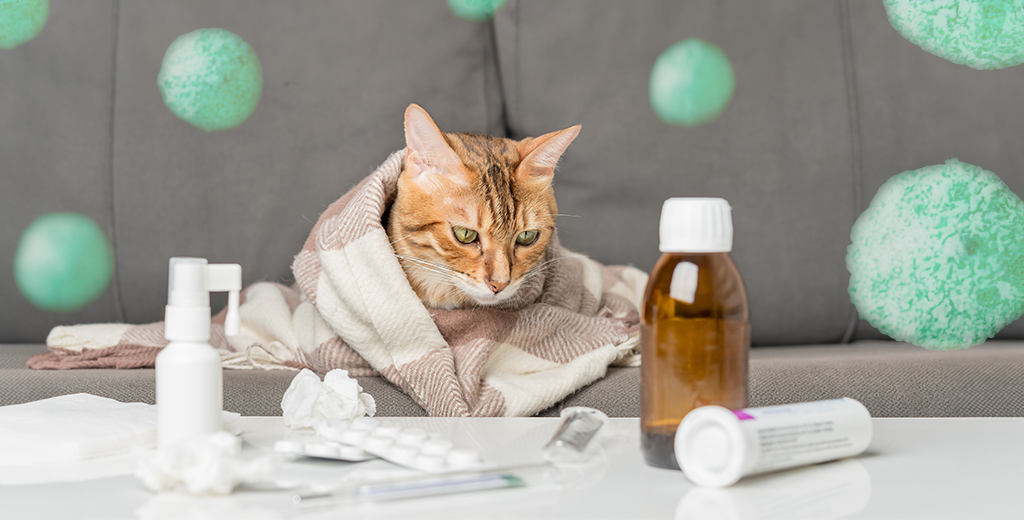
Frequent sneezing in cats can be a worrying and uncomfortable issue for both pets and their owners.
While occasional sneezes are normal, persistent sneezing may indicate underlying issues such as infections, allergies, or irritants in your cat’s environment.
Fortunately, there are natural ways to support your cat’s respiratory health and help ease sneezing.
In this post, we will explore 5 ways to ease cat sneezing, starting with what causes cat sneezing?
What Causes Cat Sneezing?
Cat sneezing can be triggered by a variety of factors, including viral infections (such as feline herpesvirus), bacterial infections, allergens like dust or pollen, and environmental irritants such as smoke or strong fragrances.
Other causes may include dental disease, foreign objects in the nasal passages, or underlying respiratory conditions.
Symptoms can range from occasional sneezing to persistent nasal discharge, watery eyes, and general discomfort.
5 Ways to Ease Cat Sneezing
1. Lysine for Cats
L-Lysine is an amino acid that supports the immune system and helps manage feline herpesvirus, a common cause of chronic sneezing in cats.
Regular supplementation can help reduce the frequency and severity of sneezing episodes while promoting overall respiratory wellness.
Over time, lysine can help your cat better fight viral infections, keeping their nasal passages clearer and reducing inflammation in the upper respiratory tract.
Out of all of the lysine supplements my cat has tried, her personal favorite is Daybreak Nutrition’s Lysine for Cats.
Daybreak’s Lysine for Cats is a convenient powder that can be sprinkled over your cat’s food, providing 900 mg of lysine per serving along with prebiotics, krill, and DMG to further support immunity and eye health.
Simply follow the directions on the back and you’re good to go!

2. Maintain a Clean Environment
Reducing allergens and irritants in your cat’s home can decrease sneezing triggers.
Regularly vacuuming, dusting, and washing bedding, as well as using air purifiers, helps minimize exposure to dust, pollen, and other airborne irritants.
Keeping litter boxes clean and using unscented litter can also reduce respiratory irritation.
Additionally, limiting your cat’s exposure to strong cleaning chemicals, perfumes, or smoke can further prevent flare-ups.
A clean and controlled environment not only reduces sneezing but also supports overall respiratory and immune health.
3. Provide Humidified Air
Dry air can aggravate a cat’s nasal passages and worsen sneezing.
Using a humidifier in rooms where your cat spends the most time helps maintain moisture in the air, soothing the nasal passages and reducing irritation.
Warm, moist air can also help loosen any mucus buildup, making breathing more comfortable.
Especially in winter months or in homes with forced air heating, maintaining optimal humidity can significantly decrease the frequency of sneezing episodes.
4. Nutritious Diet and Hydration
A well-balanced diet supports overall immune function, which is key for cats prone to respiratory infections.
Ensure your cat has access to fresh water and high-quality food rich in essential vitamins and minerals to help strengthen their natural defenses.
Foods that include antioxidants, omega-3 fatty acids, and immune-supporting nutrients can help reduce inflammation in the nasal passages.
Proper hydration also helps keep mucus thin and easier to clear, reducing congestion and supporting overall respiratory health.
5. Reduce Stress
Stress can weaken a cat’s immune system, making them more susceptible to infections that trigger sneezing.
Providing a calm, enriched environment with safe spaces, playtime, and consistent routines helps reduce stress and supports your cat’s overall health.
Incorporating interactive toys, scratching posts, and cozy resting areas can keep your cat mentally stimulated and relaxed.
A less stressed cat is better able to fight off infections, recover more quickly, and experience fewer sneezing flare-ups.
Support Cat Sneezing
Persistent sneezing in cats can have multiple causes, but there are natural ways to help manage and reduce symptoms.
Lysine supplementation, maintaining a clean environment, humidifying the air, providing a nutritious diet, and reducing stress all support respiratory health and overall well-being.
By incorporating these strategies, you can help your cat breathe easier, feel more comfortable, and enjoy a happier, healthier life.
Thank you for reading!
Affiliate Disclosure
Some of the links on this site are affiliate links. This means that if you click on the link and purchase the item, we may receive an affiliate commission at no extra cost to you. I only recommend products or services that I believe will add value to my readers, however, some (not all) do pay us to be on this blog. Your support and theirs help keep this blog running, and I genuinely appreciate it.
Medical Disclaimer
The information provided on this website is for educational purposes only and is not intended as medical advice. This blog or the writer is not a licensed healthcare professional, and the content should not be used as a substitute for professional medical diagnosis, treatment, or advice. Always consult with your physician or other qualified healthcare provider before starting any new treatment or making any changes to your pet’s healthcare routine.