
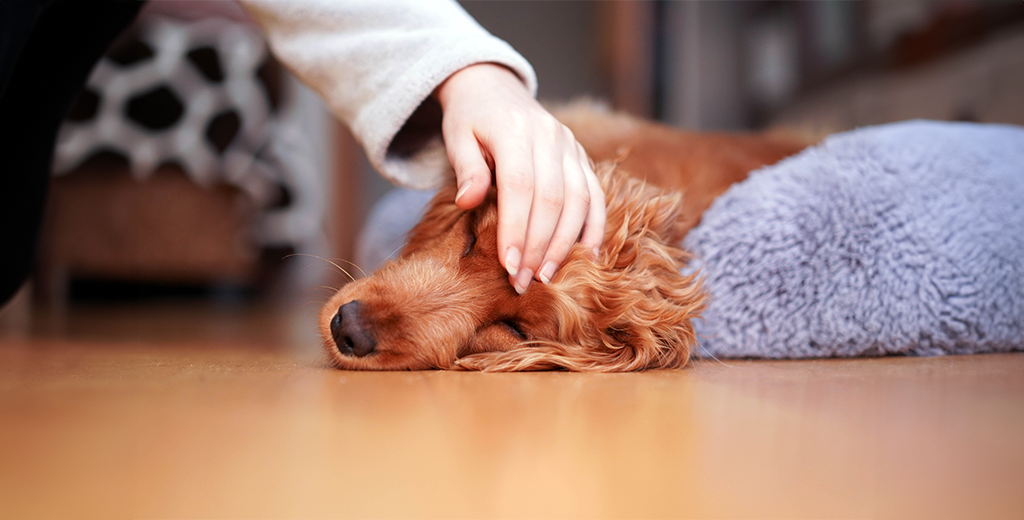
Just like humans, dogs can catch a common cold.
While their symptoms are often less severe and they don’t catch the exact viruses we do, a “dog cold” refers to a mild upper respiratory infection that leaves your canine companion feeling under the weather with symptoms like a runny nose, watery eyes, and occasional sneezing.
In this post, we will explore 5 ways to ease dog colds, starting with the causes of dog colds.
Let’s dive in!
What Causes Dog Colds?
When we talk about a “dog cold,” we are generally referring to mild, non-life-threatening upper respiratory infections caused by various viruses and sometimes bacteria.
These infections primarily affect the nose, throat, and sinuses.
The common causes of these infections include:
- Viruses: The most frequent culprits are canine influenza virus, canine parainfluenza virus, or other common respiratory viruses. These are different from human cold viruses but cause similar symptoms in dogs.
- Exposure to Infected Dogs: Colds are highly contagious and are easily spread through airborne droplets (sneezing/coughing) or shared items like water bowls and toys. Places with high dog traffic—like dog parks, grooming facilities, or daycare—are common transmission points.
- Environmental Stressors: Sudden temperature changes, exposure to cold or damp weather, and chronic stress can temporarily weaken a dog’s immune system, making them more susceptible to catching a respiratory bug.
In a dog, these irritants cause the mucous membranes to become inflamed and produce excess fluid, leading to the classic symptoms of a runny nose and sneezing.
5 Ways to Ease Dog Colds
Easing a dog cold focuses on supporting the immune system and providing symptom relief to help your dog feel comfortable while the infection runs its course.
1. Immune Support Supplement for Dogs
The foundation of recovery is a robust immune system.
An immune support supplement provides essential vitamins and compounds that fortify a dog’s natural defenses, helping their body efficiently identify and eliminate the infection.
Look for high-quality formulas that include mushrooms like turkey tail, which contain beta-glucans that help strengthen immunity, and Vitamin C, which helps fight oxidative stress caused by the cold.
Providing this concentrated nutritional boost can help shorten the duration of the cold and enhance their overall resilience.
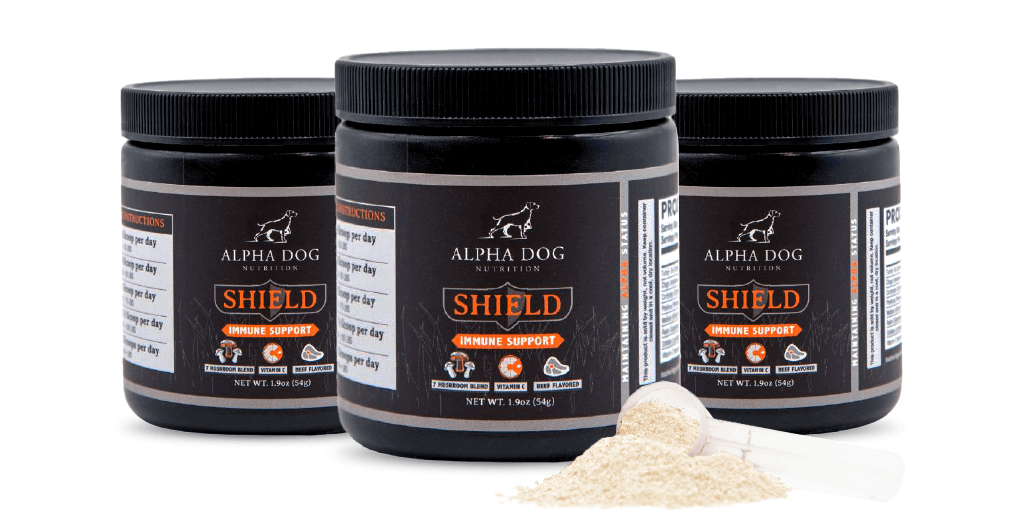
Out of all of the immune supplements my dog has tried, his personal favorite is Alpha Dog’s Shield Immune Support.
Alpha Dog’s Shield Immune supplement is excellent for easing dog colds because it delivers a potent blend of seven nutritional mushroom powders (including Turkey Tail, Reishi, and Shiitake), which are rich in beta-glucans that actively boost a dog’s immune response.
This immune support, combined with Vitamin C, helps the body more effectively fight off the viral and bacterial pathogens responsible for the cold.
By strengthening the immune system, the supplement directly supports the body’s ability to clear colds and accelerate recovery.
Simply follow the directions on the back, and you’re good to go!
2. Maintain Clear and Moist Airways
Congestion and a runny nose are uncomfortable.
To help your dog breathe easier, manage the moisture in the air.
Use a cool-mist humidifier in the room where your dog sleeps to prevent mucus from drying out.
You can also bring your dog into a steamy bathroom (away from the direct spray of the shower) for steam session 2-3 times a day.
The warm moisture helps thin the nasal secretions, providing temporary relief and making it easier for your dog to clear their stuffy nose.
3. Ensure Adequate Hydration
A sick dog, particularly one with a runny nose, can quickly become dehydrated.
Hydration is critical for thinning mucus and keeping the body’s systems running smoothly.
Ensure your dog has constant access to fresh, clean water.
If your dog is reluctant to drink, you can encourage fluid intake by offering:
- Unsalted Chicken Broth: Warm broth is often irresistible and provides necessary fluids and electrolytes.
- Water mixed with a small amount of low-sodium liquid tuna or sardine juice.
Plenty of fluids helps keep the mucus loose and flowing, rather than thick and obstructive.
4. Encourage Rest in a Warm Environment
Rest is non-negotiable for recovery.
While a typical dog cold may not require total crate rest, all strenuous activity should be halted.
Colds are physically draining, and your dog’s energy should be focused on fighting the illness.
Ensure their bed is in a warm, draft-free area of the house.
Providing extra blankets or an easily accessible, quiet corner will encourage them to sleep and conserve energy until they feel better.
5. Gentle Nasal and Facial Cleaning
A constant, crusty discharge around the nose and eyes can make your dog miserable.
Use a soft, damp cloth dipped in warm water to gently wipe away any discharge from the eyes and nose several times a day.
Keeping these areas clean prevents irritation of the skin and ensures your dog’s nostrils aren’t completely obstructed by dry, crusted mucus, which can further hinder their breathing.
Be gentle and patient, and reward them afterward.
Ease Dog Colds
A common dog cold is usually a minor setback, but it’s a perfect opportunity to provide loving care and targeted support.
By boosting their immune system with a quality supplement and managing their symptoms with simple, moisturizing therapies and rest, you’ll help your best friend get back to their playful self quickly.
Thank you for reading, and here’s to a healthy, happy pup!
Affiliate Disclosure
Some of the links on this site are affiliate links. This means that if you click on the link and purchase the item, we may receive an affiliate commission at no extra cost to you. I only recommend products or services that I believe will add value to my readers, however some (not all) do pay us to be on this blog. Your support and theirs helps keep this blog running, and I genuinely appreciate it.
Medical Disclaimer
The information provided on this website is for educational purposes only and is not intended as medical advice. The content shared here is not written by a licensed veterinarian, and it should not be used as a substitute for professional veterinary diagnosis, treatment, or advice. Always consult with your veterinarian or other qualified pet healthcare provider before starting any new treatment or making changes to your pet’s health regimen.