
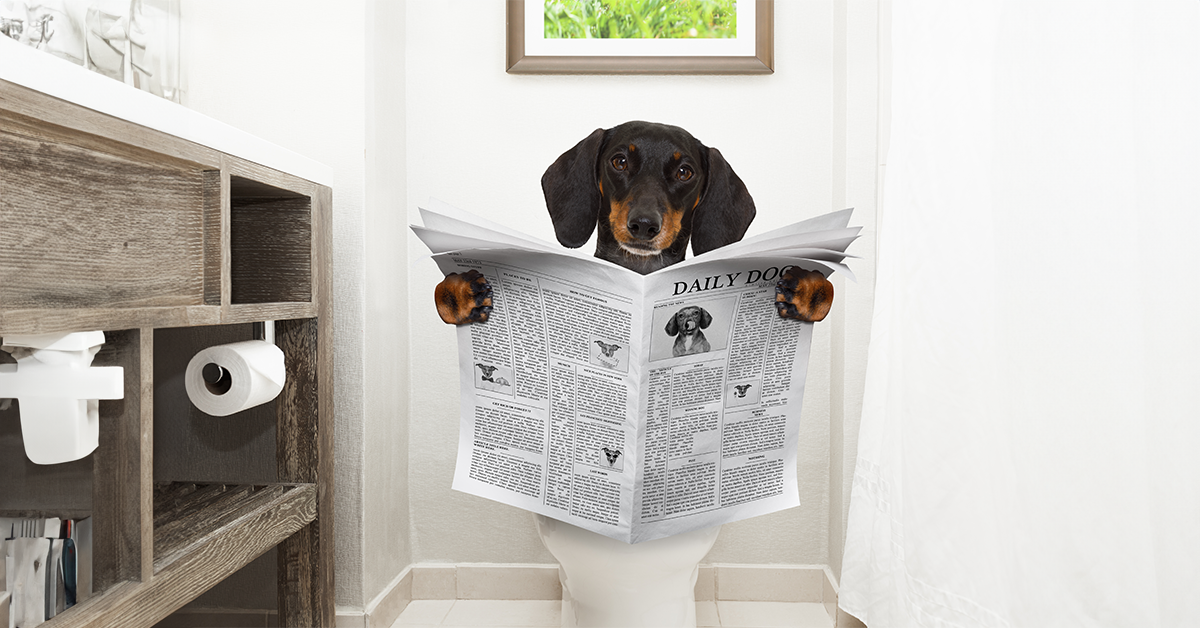
Constipation is a common digestive issue in dogs that can cause discomfort, straining, and changes in appetite or behavior.
While occasional constipation may resolve on its own, persistent or severe constipation can be a sign of an underlying problem that needs attention.
Fortunately, there are natural ways to support your dog’s digestive health and help ease constipation, promoting comfort and regularity.
In this post, we will explore 5 ways to ease dog constipation, starting with what causes constipation in dogs.
Let’s dive in!
What Causes Constipation in Dogs?
Dog constipation can result from a variety of factors, including dehydration, lack of dietary fiber, ingestion of indigestible objects, medications, or underlying health conditions such as hypothyroidism or kidney disease.
Symptoms often include infrequent bowel movements, hard or dry stools, straining during elimination, and sometimes lethargy or loss of appetite.
Identifying the cause and providing supportive care can help prevent discomfort and potential complications.
5 Ways to Ease Dog Constipation
1. Psyllium Husk Fiber for Dogs
Adding psyllium husk fiber to your dog’s diet can help bulk up and soften stools, making them easier to pass.
Psyllium is a natural, soluble fiber that absorbs water and forms a gel-like consistency in the digestive tract, promoting smooth bowel movements.
It also supports healthy gut bacteria, improving overall digestion.
Regular supplementation with psyllium husk fiber can be an effective, gentle way to ease chronic or occasional constipation in dogs.
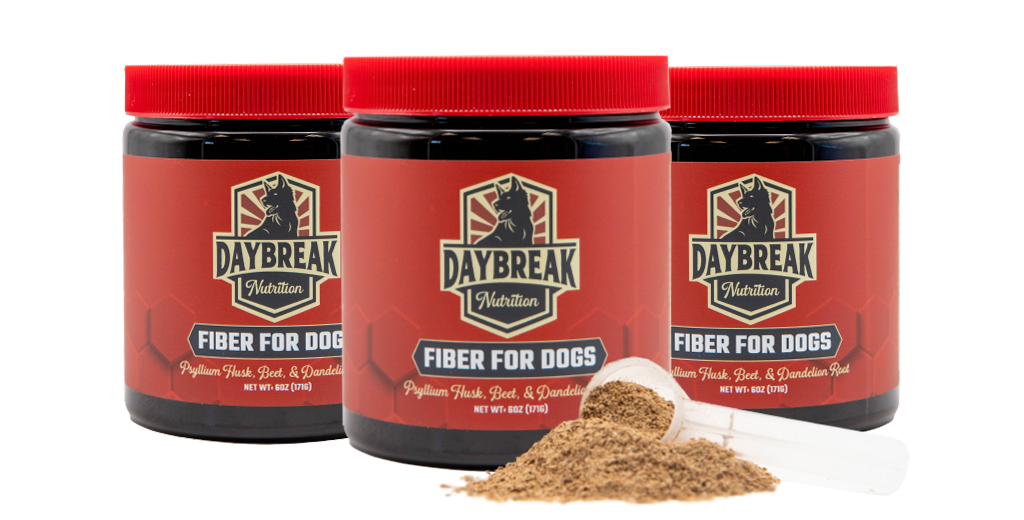
Out of all of the fiber supplements my dog has tried, his personal favorite is Daybreak Nutrition’s Fiber for Dogs.
Daybreak’s Fiber for Dogs is an excellent psyllium husk supplement that supports healthy digestion and eases constipation.
Its blend of psyllium husk, beet root, dandelion root, and prebiotics helps regulate bowel movements while promoting beneficial gut bacteria.
This all-natural formula is gentle, effective, and suitable for dogs of all ages, helping to relieve discomfort from constipation, diarrhea, and other digestive issues.
Simply follow the directions on the back and you’re good to go!
2. Increase Water Intake
Proper hydration is essential for healthy digestion.
Encouraging your dog to drink more water, offering fresh water multiple times per day, or adding water to their food can help soften stools and reduce constipation.
For dogs who are reluctant to drink, using pet-safe water fountains or adding low-sodium broth can make hydration more appealing.
Staying hydrated ensures the digestive system functions efficiently, preventing the stool from becoming hard and difficult to pass.
3. Encourage Regular Exercise
Physical activity stimulates the digestive system and helps maintain normal bowel movements.
Regular walks, play sessions, and gentle exercise promote gut motility and prevent constipation caused by inactivity.
For older or less mobile dogs, short, frequent bouts of movement can still have a significant impact on digestive health.
Combining exercise with other supportive measures enhances overall gastrointestinal function.
4. Incorporate Fiber-Rich Foods
Adding fiber-rich foods to your dog’s diet can improve stool consistency and prevent constipation.
Foods like pumpkin puree, sweet potato, or green beans provide natural fiber while offering additional nutrients.
Fiber helps regulate bowel movements and supports a healthy gut microbiome.
Always introduce new foods gradually to avoid digestive upset, and consult your veterinarian for appropriate portion sizes.
5. Monitor Medications and Supplements
Some medications or supplements can contribute to constipation in dogs.
Pain medications, antacids, or certain dewormers may slow intestinal motility.
If you notice constipation after starting a new medication, consult your veterinarian to discuss alternative treatments or supportive measures.
Careful monitoring ensures that medication-related constipation doesn’t become a chronic problem.
Supporting Dog Constipation
Constipation in dogs can be uncomfortable, but there are natural ways to support digestive health and ease bowel movements.
Psyllium husk fiber, increased water intake, regular exercise, fiber-rich foods, and careful management of medications all help maintain regularity and overall gastrointestinal wellness.
By incorporating these strategies, you can help your dog stay comfortable, healthy, and happy.
Thank you for reading!
Affiliate Disclosure
Some of the links on this site are affiliate links. This means that if you click on the link and purchase the item, we may receive an affiliate commission at no extra cost to you. I only recommend products or services that I believe will add value to my readers, however, some (not all) do pay us to be on this blog. Your support and theirs help keep this blog running, and I genuinely appreciate it.
Medical Disclaimer
The information provided on this website is for educational purposes only and is not intended as medical advice. This blog or the writer is not a licensed healthcare professional, and the content should not be used as a substitute for professional medical diagnosis, treatment, or advice. Always consult with your physician or other qualified healthcare provider before starting any new treatment or making any changes to your pet’s healthcare routine.