
It is heartbreaking to see your cat squinting through a thick layer of “gunk.”
Feline eye discharge, often called “weepy eyes,” can range from a watery, clear liquid to a thick, sticky, yellow, or green crust.
Because a cat’s eyes are so sensitive, discharge is usually the first sign that their immune system is struggling or that an environmental irritant has caused inflammation.
If left untreated, “gunky” eyes can lead to painful corneal ulcers or permanent scarring, so addressing the issue early is key to your cat’s comfort.
In this post, we will explore 5 ways to ease gunky eyes in cats, starting with their causes.
Let’s dive in!
What Causes Gunky Eyes in Cats?
“Gunk” is essentially a mixture of white blood cells, mucus, and cellular debris. When the eye is irritated or infected, it overproduces this fluid to try and flush the problem out.
The most common causes of feline eye gunk include:
- Feline Herpesvirus-1 (FHV-1): The #1 cause of “mucky” eyes in cats. This virus causes painful inflammation of the conjunctiva (the pink tissue around the eye), leading to constant squinting and discharge.
- Upper Respiratory Infections (URIs): Much like a human cold, a feline URI often manifests in the eyes. It can cause the tear ducts to swell, trapping fluid and allowing bacteria to grow.
- Corneal Scratches: A tiff with a housemate or a run-in with a sharp plant can scratch the surface of the eye. The body responds by flooding the area with discharge to protect the wound.
- Allergens and Irritants: Dust from clay litter, cigarette smoke, or heavy perfumes can cause “allergic conjunctivitis,” resulting in glassy, red, and watery eyes.
- Entropion (Inward Eyelashes): Some cats have eyelids that turn slightly inward, causing the lashes to rub against the eyeball. This constant friction leads to chronic irritation and “gunky” buildup.
5 Ways to Ease Cat Gunky Eyes
To clear the gunk, you need to clean the surface of the eye while simultaneously giving the immune system the tools to fight the underlying infection.
1. Cat Lysine
Since the vast majority of gunky eye cases in cats are caused by the Feline Herpesvirus, supporting the immune system internally is the most effective solution.
L-Lysine is an essential amino acid that works by inhibiting the replication of the herpesvirus.
By suppressing the virus, Lysine reduces the inflammation of the tissues around the eye, which stops the overproduction of discharge at the source.
It is a natural, non-invasive way to keep eyes clear and prevent future “flare-ups” during times of stress.
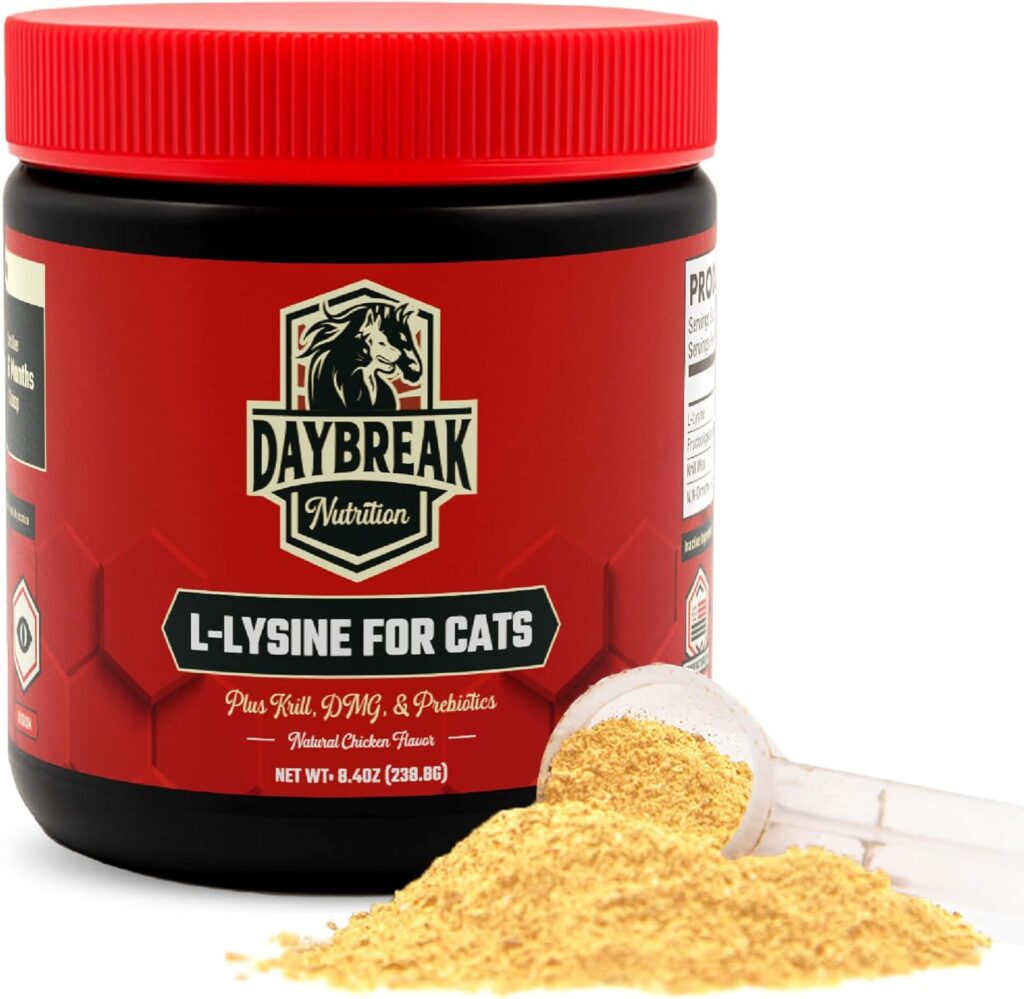
Out of all of the lysine supplements my cat has tried, her personal favorite is Daybreak’s Lysine for Cats.
Daybreak is the ideal choice for clearing up persistent eye gunk because it directly inhibits the replication of the Feline Herpesvirus, the primary cause of chronic ocular discharge.
By suppressing the virus at a cellular level, our high-potency formula reduces the tissue inflammation that leads to painful squinting and “mucky” buildup.
It’s a natural, proactive way to boost your cat’s immune defenses, ensuring their eyes stay clear, bright, and comfortable even during stressful flare-ups.
Simply follow the directions on the back, and you’re good to go!
2. Warm Water Soaks
When eye discharge dries, it creates a hard, painful crust that can “glue” the eyelids together.
Never try to pick these crusts off while they are dry, as it can tear the skin.
Instead, soak a soft cloth in warm (not hot) water and hold it gently against the eye for 60 seconds.
This softens the gunk, allowing you to wipe it away effortlessly.
Clearing this debris prevents bacteria from being trapped against the eye, which reduces the risk of secondary infections.
3. Sterile Saline Flushes
If your cat’s eye looks red or irritated, a sterile saline flush (plain salt and water with no preservatives) can help.
Gently dripping a few drops of saline into the corner of the eye helps flush out any physical irritants like dust or loose hair.
This mimics the cat’s natural tear film and provides immediate cooling relief to inflamed tissues without the use of harsh medications.
4. Reduce Stressors
The Feline Herpesvirus is highly sensitive to stress.
When a cat is stressed, their cortisol levels rise, which suppresses their immune system and allows the virus to flare up in the eyes.
To help their eyes clear faster, provide a quiet, “low-traffic” area for them to rest.
Avoid introducing new pets or making major household changes while their eyes are gunky; a calm environment is often the best medicine for a viral flare-up.
5. Use Low-Dust, Unscented Litter
The eyes and the nose are closely linked via the tear ducts. If your cat is digging in a litter box filled with dusty clay litter or heavy artificial scents, those particles can travel up the nasolacrimal duct and irritate the eyes.
Switching to a high-quality, dust-free, and unscented litter can remove a major source of daily ocular irritation, allowing the eyes to remain clear and bright.
While these steps can manage mild gunky eyes, you should see a vet if the eye itself looks cloudy, if the discharge is consistently thick and yellow, or if your cat is pawing at their eye in pain.
Thank you for reading, and here is to your cat’s bright and clear vision!
Affiliate Disclosure
Some of the links on this site are affiliate links. This means that if you click on the link and purchase the item, we may receive an affiliate commission at no extra cost to you. I only recommend products or services that I believe will add value to my readers; however, some (not all) do pay us to be on this blog. Your support and theirs help keep this blog running, and I genuinely appreciate it.
Medical Disclaimer
The information provided on this website is for educational purposes only and is not intended as medical advice. This blog or the writer is not a licensed healthcare professional, and the content should not be used as a substitute for professional medical diagnosis, treatment, or advice. Always consult with your physician or other qualified healthcare provider before starting any new treatment or making any changes to your pet’s healthcare routine.