

If your dog has recently developed a dry, honking, hacking cough that sounds like they have something stuck in their throat, they likely have kennel cough.
Formally known as Canine Infectious Respiratory Disease (CIRD), this highly contagious condition is the canine equivalent of a chest cold.
While rarely serious in otherwise healthy dogs, the persistent, rattling cough is distressing for both the pet and you.
So in this post, we will explore 5 ways to ease kennel cough, starting with its causes.
Let’s dive in!
What Causes Kennel Cough?
Kennel cough is a broad term for inflammation of a dog’s voice box (larynx) and windpipe (trachea).
It is a highly contagious, airborne disease caused by one or a combination of bacterial and viral agents.
The most common causes include:
- Bacteria: The most common bacterial culprit is Bordetella bronchiseptica, which is often compared to whooping cough in humans.
- Viruses: Common viral agents include Canine Parainfluenza Virus, Canine Adenovirus, and Canine Herpesvirus.
- Contagion: The disease is easily spread through airborne droplets released when an infected dog coughs or barks. It thrives in environments where dogs are housed closely together, such as:
- Boarding facilities and kennels
- Dog parks
- Grooming facilities
- Training classes
In most cases, the infection is mild and clears up on its own, but the characteristic cough can persist for several weeks as the inflammation subsides.
5 Ways to Ease Kennel Cough
Recovery from kennel cough focuses on reducing the frequency and severity of the cough, soothing the inflamed respiratory tract, and providing robust immune support to help the body fight off the pathogens.
1. Immune Support Supplement for Dogs
The fastest way to help your dog recover is by boosting their natural immune response so their body can clear the infection.
A quality immune support supplement can provide essential ingredients that strengthen the immune cells needed to fight the viral and bacterial invaders.
Look for supplements that contain ingredients like mushrooms, as their beta-glucans support immune function, and Vitamin C, which helps reduce oxidative stress caused by infections.
Providing this nutritional support helps your dog mount a more effective and quicker defense against the underlying cause of the cough.
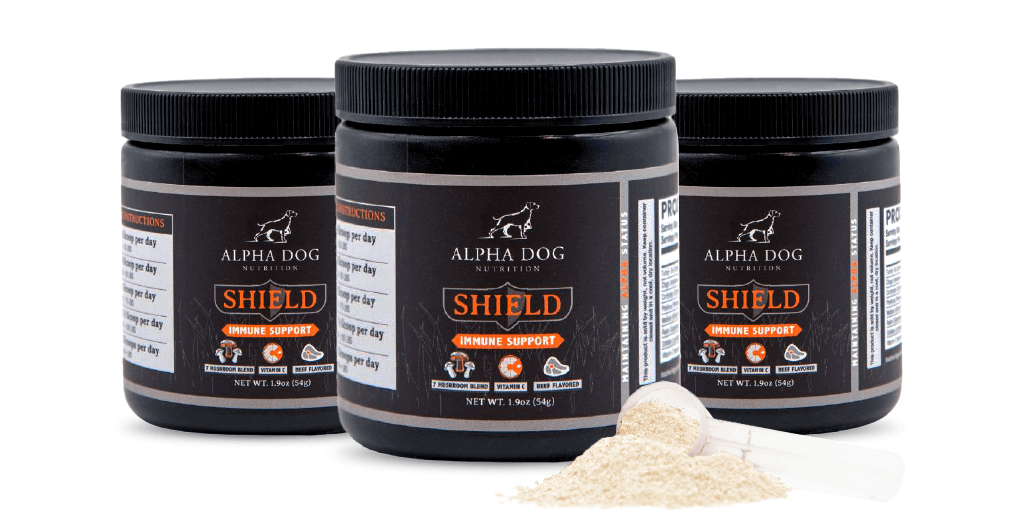
Out of all of the immune support supplements my dog has tried, his personal favorite is Alpha Dog’s Shield Immune Supplement Powder.
Alpha Dog’s Shield Immune supplement is excellent for easing kennel cough because it delivers a potent blend of seven nutritional mushroom powders (including Turkey Tail, Reishi, and Shiitake), which are rich in beta-glucans that actively boost a dog’s immune response.
This immune support, combined with Vitamin C, helps the body more effectively fight off the viral and bacterial pathogens responsible for the cough.
By strengthening the immune system, the supplement directly supports the body’s ability to clear the infection and accelerate recovery.
Simply follow the directions on the back, and you’re good to go!
2. Use a Humidifier and Steam Therapy
Just as with humans, dry air can worsen a dog’s cough by irritating the inflamed airways and thickening any mucus.
Place a cool-mist humidifier near your dog’s bed or crate to increase the moisture in the air they breathe.
For targeted relief, take your dog into a steamy bathroom (without turning on the shower head directly on them) for 10-15 minutes, two or three times a day.
The warm, moist air is excellent for soothing the trachea, loosening secretions, and easing the hacking fits.
3. Avoid Neck Pressure and Use a Harness
One of the easiest ways to trigger a severe coughing fit is to put pressure on the dog’s trachea.
While your dog is recovering, immediately stop using a traditional neck collar and leash for walks.
Switch to a body harness that distributes pressure across their chest and back, preventing any direct constriction of the throat.
Even a gentle tug on a collar can send your dog into a debilitating coughing fit, so minimizing any pressure is critical for their comfort.
4. Supplement with Raw Honey
Raw, local honey is a natural remedy that can provide wonderful relief for your dog’s irritated throat.
Honey acts as a natural demulcent, coating the throat and reducing the irritation that triggers the cough reflex.
You can give your dog a small amount (e.g., half a teaspoon to a full teaspoon, depending on size) 3-4 times per day, especially before bedtime, to help them sleep better.
Note: Never give honey to puppies under 1 year old due to the risk of botulism.
5. Ensure Full Rest and Isolation
Like any respiratory illness, recovery requires rest.
Limit physical activity, this means no intense running or rough play that could exacerbate their coughing.
Ensure they are in a quiet, warm, and comfortable environment to allow their body to dedicate energy to healing.
Furthermore, because kennel cough is highly contagious, isolate your dog from other dogs for at least two weeks after the cough has completely resolved to prevent the spread of the infection.
Ease Kennel Cough
Watching your dog struggle with a dry, honking cough is worrying.
However, by focusing on robust immune support, providing moist, soothing air, and eliminating throat irritation, you can significantly ease their symptoms and accelerate their recovery.
Remember to always consult your veterinarian if the cough persists, if your dog develops lethargy, or if they stop eating.
Thank you for reading, and wishing your pup a swift recovery!
Affiliate Disclosure
Some of the links on this site are affiliate links. This means that if you click on the link and purchase the item, we may receive an affiliate commission at no extra cost to you. I only recommend products or services that I believe will add value to my readers, however some (not all) do pay us to be on this blog. Your support and theirs helps keep this blog running, and I genuinely appreciate it.
Medical Disclaimer
The information provided on this website is for educational purposes only and is not intended as medical advice. The content shared here is not written by a licensed veterinarian, and it should not be used as a substitute for professional veterinary diagnosis, treatment, or advice. Always consult with your veterinarian or other qualified pet healthcare provider before starting any new treatment or making changes to your pet’s health regimen.