
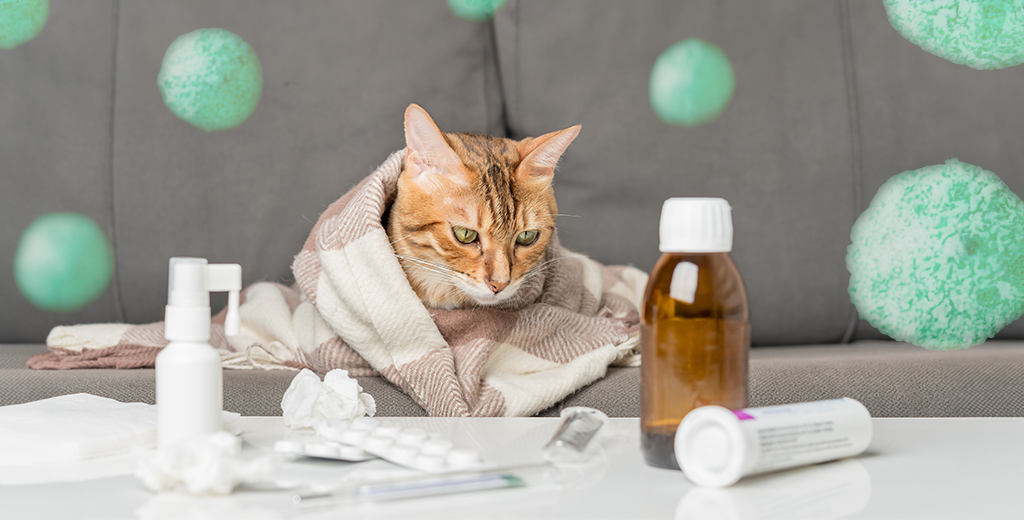
A congested cat is a miserable cat.
Because felines rely heavily on their sense of smell to identify food, a stuffy nose doesn’t just cause breathing discomfort – it often leads to a dangerous loss of appetite.
When a cat’s nasal passages become inflamed or blocked with mucus, their entire demeanor changes, often leaving them lethargic and hiding.
By understanding the underlying cause of the congestion and using targeted supportive care, you can help clear their airways and get them back to the food bowl.
In this post, we will explore 5 ways to ease stuffy noses in cats, starting with its causes.
Let’s dive in!
What Causes Stuffy Noses in Cats?
Feline nasal congestion is usually a symptom of inflammation in the delicate lining of the nasal passages (rhinitis).
The most common causes of a “stuffy” cat include:
- Feline Herpesvirus-1 (FHV-1): This is the primary driver of chronic upper respiratory issues. It causes tissue swelling and thick mucus production that can persist for weeks.
- Feline Calicivirus: Often appearing alongside herpes, this virus causes respiratory distress and can sometimes lead to painful ulcers in the mouth and nose.
- Bacterial Sinusitis: Primary viral infections often weaken the immune system, allowing bacteria to move in. This turns clear “watery” discharge into thick yellow or green “pustular” mucus.
- Environmental Allergens: Dust from clay litter, strong perfumes, cigarette smoke, or household cleaners can cause allergic rhinitis, leading to a “plugged” feeling.
- Nasal Polyps: Occasionally, small benign growths can develop in the nasal passage or ear canal, physically obstructing the airflow and trapping mucus.
5 Ways to Ease Cat Stuffy Noses
Clearing a cat’s nose requires a combination of internal immune support and external environmental “humidity” to thin out the blockage.
1. Use Cat Lysine
The most effective way to address the root cause of viral congestion is with L-Lysine.
Since the majority of “stuffy” cats are battling the Feline Herpesvirus, Lysine acts as a natural viral suppressant.
It works by interfering with the virus’s ability to use Arginine to replicate.
By lowering the viral load, Lysine helps reduce the inflammation in the nasal tissues, which naturally slows down the production of the thick mucus that causes the “stuffiness.”
It is a gentle, long-term solution that helps prevent the cycle of chronic congestion before it starts.
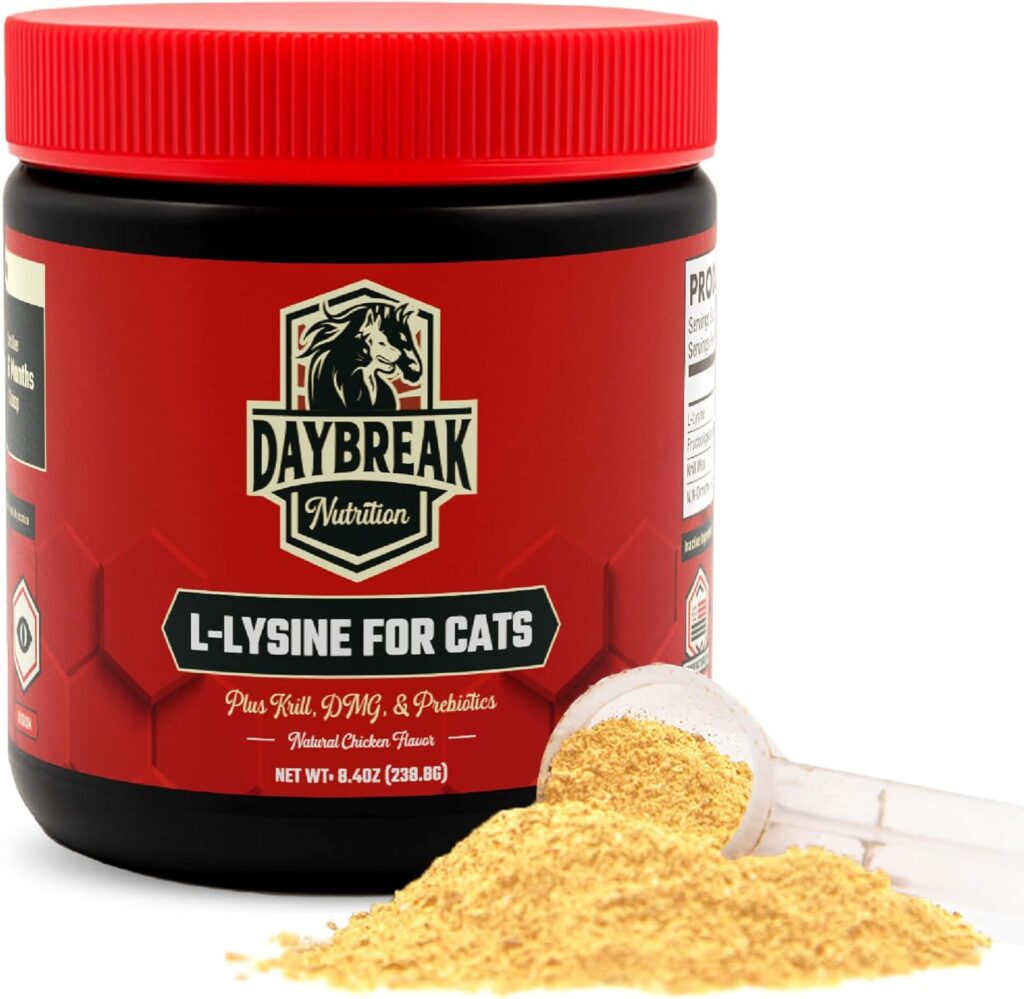
Out of all of the lysine supplements my cat has tried, her personal favorite is Daybreak’s Lysine for Cats.
Daybreak’s Lysine for Cats is the perfect daily addition for cats prone to “stuffiness” because it targets the viral source of inflammation that causes mucus buildup in the first place.
By providing a high-potency dose of L-Lysine, this supplement helps suppress the Feline Herpesvirus, leading to clearer nasal passages and more comfortable breathing.
Our easy-to-administer formula ensures that your cat can maintain a strong immune defense year-round, helping them avoid the cycle of chronic congestion and keeping their sense of smell sharp for mealtime.
Simply follow the directions on the back, and you’re good to go!
2. The “Steam Room” Treatment
Thick, dried mucus is incredibly difficult for a cat to sneeze out.
To help loosen the blockage, bring your cat into the bathroom while you run a hot shower.
The concentrated steam works just like a nebulizer, hydrating the nasal passages and thinning the mucus.
After 10–15 minutes of breathing in the moist air, your cat will often have a sneezing fit – this is a good thing!
It means the “plugs” are loosening and they are finally clearing their airway.
3. Saline Nasal Drops
If your cat will tolerate it, using a sterile, non-medicated saline drop can provide instant relief.
Use a plain saline solution (ensure it is only salt and water with no decongestant chemicals) and place one drop at the edge of each nostril.
As the cat sniffs, the saline travels into the nasal passage, breaking up dried crusts and moisturizing the inflamed membranes.
This is especially helpful for cats living in dry climates or homes with central heating.
4. Use a Warm Compress
When a cat has a “stuffy” nose, the discharge often dries on the outside of the nostrils, creating a hard crust that makes it even harder to breathe.
Soak a soft cloth in warm water and gently hold it against your cat’s nose for a minute.
This softens the “goop,” allowing you to wipe it away without irritating the skin.
Keeping the external nostrils clear ensures that any air they can move isn’t being blocked by a physical scab of dried mucus.
5. Switch to Low-Dust Litter
If your cat’s stuffiness seems to get worse after they use the bathroom, the culprit might be their litter.
Many clay-based litters “puff” up a cloud of fine silica dust when a cat scratches.
This dust is a major respiratory irritant that can cause immediate swelling of the nasal lining.
Switching to a dust-free or natural litter (like paper, pine, or grass-based varieties) can significantly reduce the “background” irritation, allowing their nose to heal and stay clear.
Ease Cat Stuffy Noses
Helping a cat with a stuffy nose requires patience, but the reward is seeing them finally take a deep, clear breath – and more importantly, start eating again.
By combining immune-boosting Lysine with moisture-heavy steam therapy, you can manage most feline congestion at home.
However, if your cat is mouth-breathing or has a high fever, consult your vet immediately.
Thank you for reading, and here is to a clear-nosed, happy kitty!
Affiliate Disclosure
Some of the links on this site are affiliate links. This means that if you click on the link and purchase the item, we may receive an affiliate commission at no extra cost to you. I only recommend products or services that I believe will add value to my readers; however, some (not all) do pay us to be on this blog. Your support and theirs help keep this blog running, and I genuinely appreciate it.
Medical Disclaimer
The information provided on this website is for educational purposes only and is not intended as medical advice. This blog or the writer is not a licensed healthcare professional, and the content should not be used as a substitute for professional medical diagnosis, treatment, or advice. Always consult with your physician or other qualified healthcare provider before starting any new treatment or making any changes to your pet’s healthcare routine.