
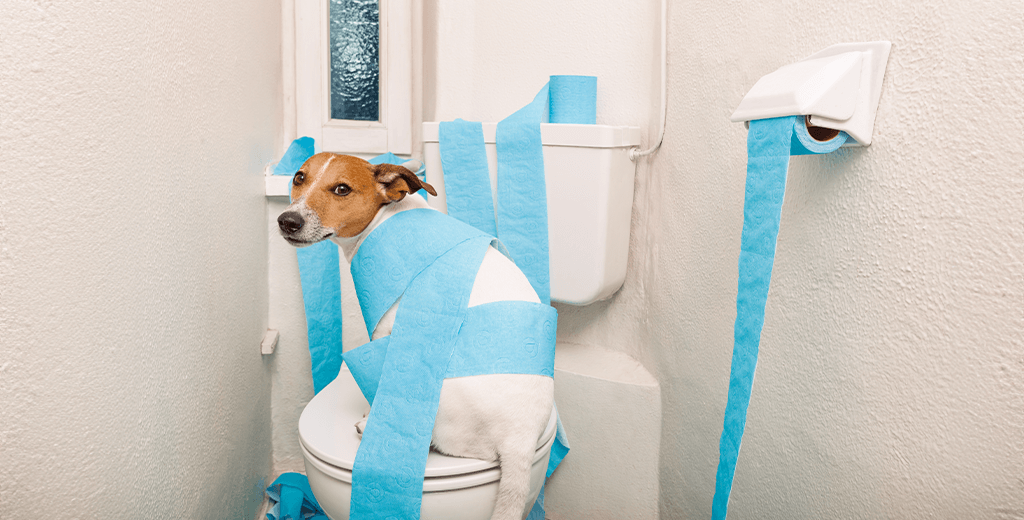
If you’ve noticed a slimy coating on your dog’s poop, it can be a little alarming, but it’s actually your dog’s body sending you a signal.
Slimy or mucusy stools are often a sign that something is off in your dog’s digestive system.
While occasional mucus isn’t necessarily cause for concern, frequent or persistent slimy poop can point to digestive imbalance, inflammation, or dietary issues.
Thankfully, there are simple, natural ways to restore your dog’s gut health and get their digestion back on track.
In this post, we will explore 5 ways to stop slimy dog poops, starting with its causes.
Let’s dive in!
What Causes Slimy Dog Poops?
Slimy dog poop is most commonly caused by digestive upset or inflammation in the colon.
The mucus coating comes from the intestinal lining, which produces extra mucus to protect itself when irritated.
This irritation can result from dietary changes, food sensitivities, infections, stress, or a lack of fiber in your dog’s diet.
When the gut flora becomes unbalanced, whether from poor nutrition, antibiotics, or stress, it can also lead to excessive mucus production and inconsistent stool texture.
Addressing the root cause, rather than just the symptom, is key to helping your dog’s digestive system rebalance naturally.
5 Ways to Stop Slimy Dog Poops
1. Add a Fiber Supplement for Dogs
Fiber plays a crucial role in maintaining healthy digestion by helping to regulate bowel movements and support beneficial gut bacteria.
Soluble fiber absorbs excess water in the intestines and forms a gel-like substance that soothes inflammation, while insoluble fiber helps move stool smoothly through the digestive tract.
Adding a fiber supplement for dogs can make a big difference for those with frequent slimy poops.
Look for natural sources like flaxseed or beet, which are gentle yet effective in promoting healthy digestion and firmer stools.
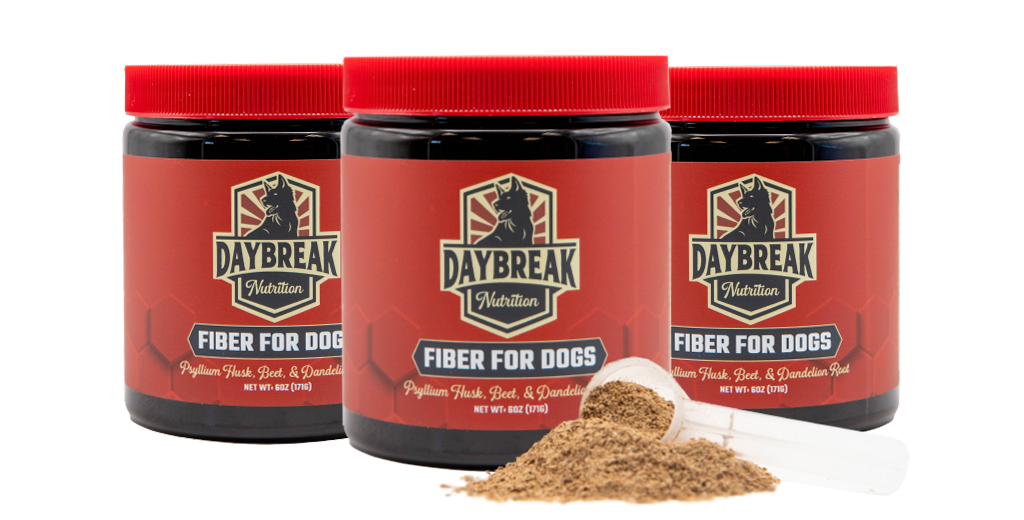
Out of all of the fiber supplements my dog has tried, Daybreak’s Fiber for Dogs is his personal favorite.
Daybreak’s fiber is a premium blend of soluble and insoluble fibers that promote balanced digestion, reduce mucus buildup, and help regulate stool consistency.
It contains psyllium husk fiber with flaxseed and beet, which can help improve the quality of your dog’s poops.
Made with all-natural ingredients, it’s designed to be sprinkled over food daily, making it a simple and effective way to support your dog’s gut health.
Simply follow the directions on the back and you’re good to go!
2. Transition Your Dog’s Diet Slowly
A sudden change in diet can upset your dog’s stomach and cause mucus in their stool.
When switching foods, always transition gradually over 7–10 days by mixing increasing amounts of the new food with the old.
This allows your dog’s digestive system and gut bacteria to adapt to the new nutrients without irritation.
If your dog has a sensitive stomach, consider limited-ingredient or high-quality foods made with whole proteins and easily digestible carbs like sweet potatoes or brown rice.
3. Support Gut Health with Probiotics
An imbalance in gut bacteria can cause inflammation and excess mucus.
Adding a probiotic supplement supports the growth of healthy bacteria in your dog’s digestive tract, promoting balance and reducing irritation.
Probiotics can also improve nutrient absorption and reduce bloating or loose stools.
You can find them in fermented foods like plain kefir or through high-quality pet probiotic powders designed for dogs.
4. Keep Your Dog Hydrated
Dehydration can contribute to digestive issues and harder stools, which irritate the intestinal lining and cause mucus production.
Make sure your dog always has access to fresh, clean water, especially during warm weather or after physical activity.
If your dog isn’t a big drinker, try adding moisture to their meals by incorporating wet food or bone broth.
Proper hydration keeps digestion smooth and prevents excess mucus buildup.
5. Reduce Stress and Maintain Routine
Just like humans, dogs can experience digestive issues when they’re stressed.
Routine disruptions, new environments, or loud noises can all affect your dog’s gut health.
Try to maintain a consistent feeding and walking schedule, and create a calm environment at home.
Providing plenty of exercise, mental stimulation, and affection can go a long way in supporting digestive balance and overall well-being.
Stop Slimy Dog Poops
Slimy dog poops can be unpleasant to deal with, but it’s usually a sign that your dog’s digestive system needs a little support.
By incorporating a fiber supplement like Daybreak’s Fiber for Dogs, transitioning foods gradually, and supporting gut health with hydration and probiotics, you can help your dog regain digestive balance naturally.
A healthy gut means happier days and cleaner, healthier stools for your furry friend.
Thank you for reading!
Affiliate Disclosure
Some of the links on this site are affiliate links. This means that if you click on the link and purchase the item, we may receive an affiliate commission at no extra cost to you. I only recommend products or services that I believe will add value to my readers, however some (not all) do pay us to be on this blog. Your support and theirs helps keep this blog running, and I genuinely appreciate it.
Medical Disclaimer
The information provided on this website is for educational purposes only and is not intended as medical advice. The content shared here is not written by a licensed veterinarian, and it should not be used as a substitute for professional veterinary diagnosis, treatment, or advice. Always consult with your veterinarian or other qualified pet healthcare provider before starting any new treatment or making changes to your pet’s health regimen.