
Few habits are as unpleasant as catching your dog eating their own poop, a behavior called coprophagia.
While it may seem strange or even gross to us, it’s actually quite common among dogs.
The good news is that there are ways to discourage this behavior naturally and safely while also supporting your dog’s digestive health and overall well-being.
In this post, we will explore 5 ways to stop your dog from eating dog poop, starting with its causes.
Let’s dive in!
What Causes Dogs to Eat Their Own Poop?
Dogs may eat poop for several reasons, and understanding the root cause is key to stopping it.
The most common causes include nutrient deficiencies, digestive imbalances, or behavioral issues such as stress or boredom.
Some dogs may also be drawn to their feces because it still contains undigested nutrients, particularly if their food isn’t being fully absorbed.
Others may mimic this behavior from their mother or simply be trying to clean up their environment.
Regardless of the reason, addressing both the physical and behavioral causes can help break this habit for good.
5 Ways to Stop Your Dog From Eating Poop
1. Give Your Dog a Prebiotic + Probiotic Powder
A healthy gut can make a huge difference in stopping your dog from eating poop.
Poor digestion or nutrient absorption often leads to lingering waste in the stool, which can make it oddly appealing to your dog.
A prebiotic and probiotic powder helps restore healthy gut flora, improving nutrient absorption and balancing the digestive system.
Prebiotics act as food for the good bacteria, while probiotics replenish the beneficial strains that keep your dog’s digestion running smoothly.
This combination helps ensure that food is properly digested, making waste less “tempting” and promoting a healthier, more efficient digestive tract.
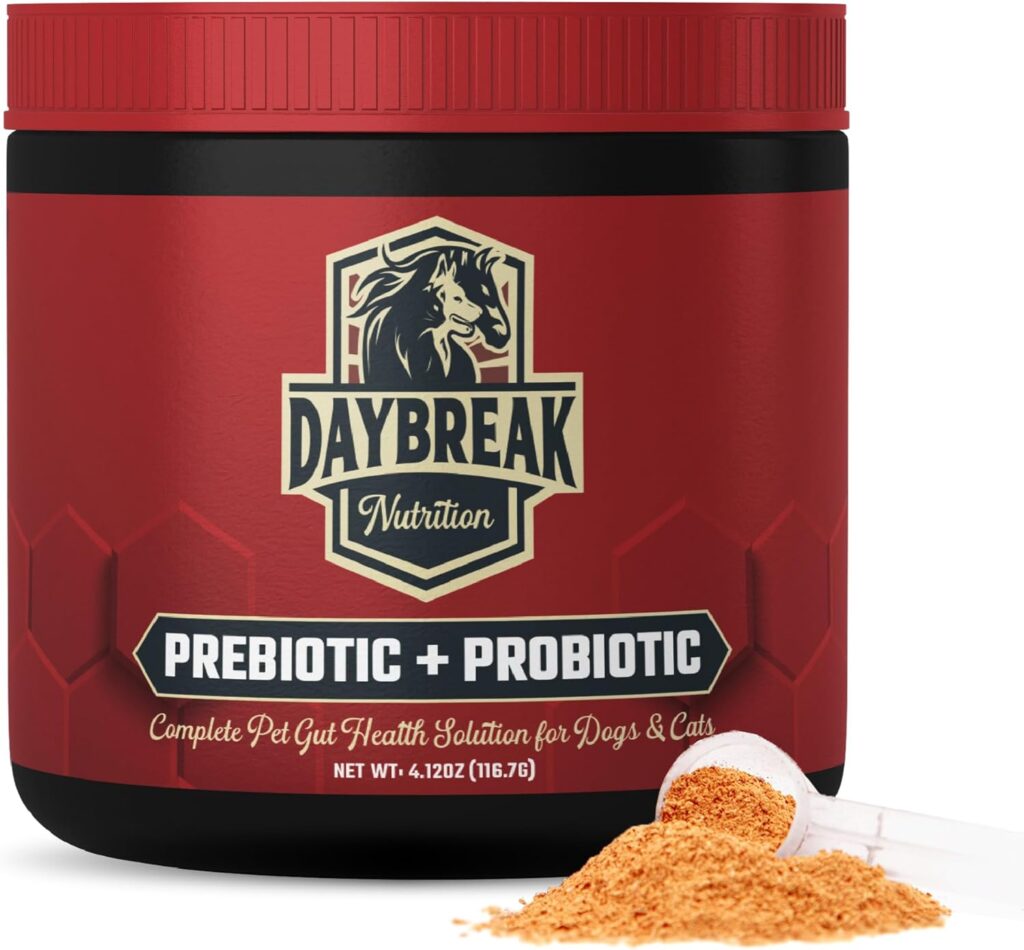
Out of all of the prebiotic and probiotic powders my dog has tried, his personal favorite is Daybreak’s Prebiotic + Probiotic.
Daybreak’s powder is the perfect solution for dogs struggling with poop-eating and digestive issues.
Each serving provides 6 billion CFU from 8 powerful probiotic strains, paired with natural prebiotics from pumpkin and flaxseed, to nourish beneficial gut bacteria and improve nutrient absorption.
By balancing your dog’s digestive system, it helps make stools less appealing while promoting better digestion, firmer stools, and a happier, healthier gut.
Simply sprinkle over your dog’s food and you’re good to go!
2. Improve Your Dog’s Diet
Poor-quality diets are one of the biggest contributors to poop-eating behavior.
If your dog’s food lacks essential nutrients, their body may not be fully digesting or absorbing what it needs, leading to a craving for feces.
Switching to a high-quality, nutrient-dense dog food rich in protein, fiber, and natural ingredients can reduce this behavior significantly.
Choose food with whole ingredients, avoid fillers like corn or soy, and consider adding a digestive enzyme or omega supplement for extra support.
A healthier diet promotes better digestion, firmer stools, and fewer unwanted habits.
3. Keep the Yard Clean
Prevention is often the simplest and most effective approach.
Regularly cleaning up after your dog removes the temptation altogether.
Try to pick up waste as soon as possible, especially if you have multiple dogs, since one may be mimicking another’s behavior.
In addition, providing plenty of toys and mental stimulation helps keep your dog engaged and less likely to resort to undesirable behaviors out of boredom.
4. Address Behavioral Causes
For some dogs, poop-eating is linked to stress, anxiety, or attention-seeking behavior.
Dogs may eat their poop when they feel nervous, lonely, or want your attention after being scolded.
In these cases, reinforcing positive behaviors is crucial.
Avoid punishing your dog, as this can make the problem worse.
Instead, redirect them with praise, treats, or a favorite toy when they walk away from feces.
If anxiety seems to be a trigger, look into calming aids or stress-relief supplements to help balance their mood naturally.
5. Regular Vet Checkups
Sometimes, coprophagia can be a sign of an underlying health issue, such as malabsorption disorders, enzyme deficiencies, or parasites.
A quick checkup with your vet can rule out medical conditions and ensure your dog’s digestive system is functioning properly.
Your vet may recommend additional tests, supplements, or dietary adjustments to help manage any underlying issues contributing to this behavior.
Please consider checking with your vet to make sure your dog gets the best support during this time.
Stop Your Dog from Eating Poop
While watching your dog eat poop can be unpleasant, it’s a problem that can be resolved with patience, good nutrition, and digestive support.
Start with a high-quality prebiotic and probiotic powder like Daybreak’s to balance gut health, combine it with a nutrient-rich diet, and make sure your dog’s environment and mental health are well cared for.
With consistency and the right approach, your furry friend can kick this habit and enjoy a healthier, happier life.
Thank you for reading!
Affiliate Disclosure
Some of the links on this site are affiliate links. This means that if you click on the link and purchase the item, we may receive an affiliate commission at no extra cost to you. I only recommend products or services that I believe will add value to my readers, however some (not all) do pay us to be on this blog. Your support and theirs helps keep this blog running, and I genuinely appreciate it.
Medical Disclaimer
The information provided on this website is for educational purposes only and is not intended as medical advice. The content shared here is not written by a licensed veterinarian, and it should not be used as a substitute for professional veterinary diagnosis, treatment, or advice. Always consult with your veterinarian or other qualified pet healthcare provider before starting any new treatment or making changes to your pet’s health regimen.