
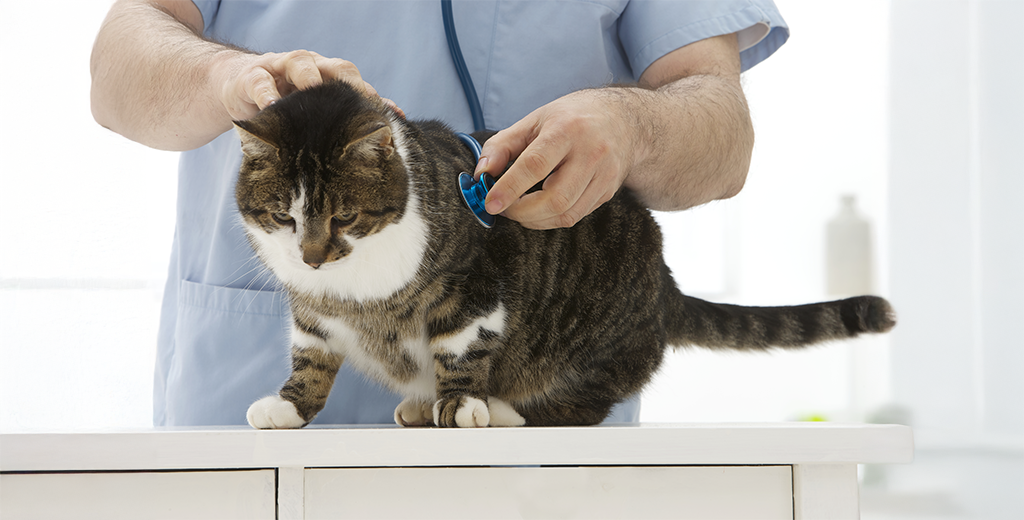
Watching your cat deal with sneezing, watery eyes, and a stuffed-up nose can be distressing.
Upper Respiratory Infections (URIs), often referred to as “cat colds”, are among the most common ailments affecting felines of all ages.
Because a clear respiratory tract and a strong sense of smell are essential for your cat’s appetite and comfort, acting early to support their immune defenses and clear their airways can make all the difference in their recovery.
In this post, we will explore 5 ways to support cat URIs, starting with their causes.
Let’s dive in!
What is a Feline URI?
An Upper Respiratory Infection (URI) in cats is a contagious illness affecting the nasal passages, sinus cavities, throat, and eyes.
It is similar to the common cold or flu in humans, though human cold viruses cannot be transmitted to cats.
A feline URI is typically triggered by one or more of the following pathogens:
- Feline Herpesvirus-1 (FHV-1): The primary cause of feline respiratory issues, responsible for severe sneezing, conjunctivitis, and corneal ulcers. Once infected, cats harbor the virus for life, and it can reactivate during times of stress.
- Feline Calicivirus (FCV): Another common virus that causes classic cold symptoms alongside painful painful ulcers on the tongue, gums, and hard palate.
- Secondary Bacterial Infections: Organisms like Chlamydia felis and Bordetella bronchiseptica often take advantage of a viral infection, creating thick, discolored discharge and deeper congestion.
- Environmental Stress & Crowding: Shelters, multi-cat households, and sudden routine changes can suppress a cat’s immune system, allowing latent viruses to flare up.
5 Ways to Support a Cat with a URI
Helping your cat recover from a URI requires a two-pronged approach: strengthening their internal defenses while keeping their airways clear and comfortable.
1. L-Lysine for Cats
The absolute cornerstone of managing feline URIs—especially those caused by Feline Herpesvirus-1—is L-Lysine.
L-Lysine is an essential amino acid that actively competes with arginine, another amino acid that FHV-1 requires to replicate itself inside the cat’s body.
By supplementing your cat’s diet with Lysine, you effectively starve the virus of its building blocks, helping to reduce viral shedding, shorten flare-up durations, and soothe symptoms like persistent sneezing and watery eyes.
Daily Lysine treats or powders provide a gentle, proactive layer of immune defense.
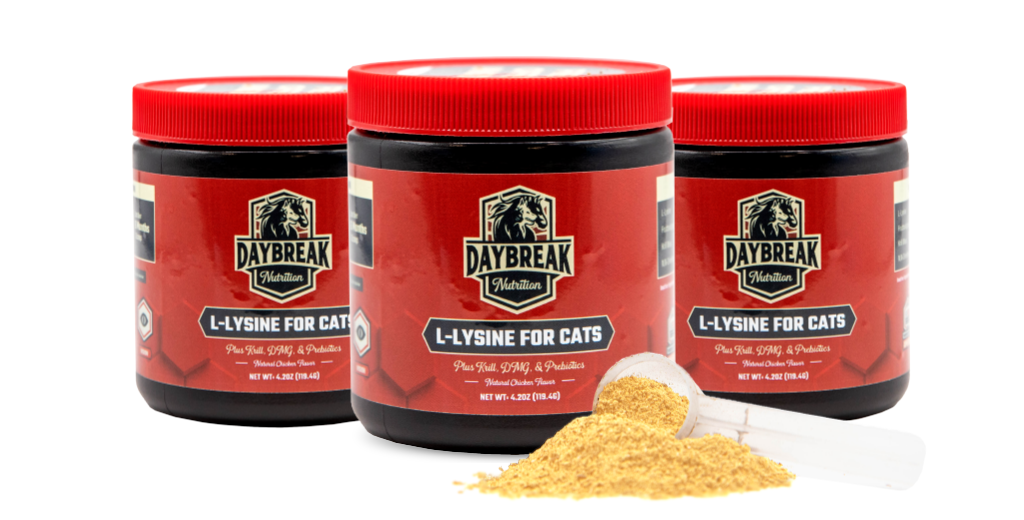
This lysine is my cat’s personal favorite because it actively starves Feline Herpesvirus-1 (FHV-1) of the arginine it needs to replicate, dramatically shortening flare-ups and reducing symptom severity.
By stopping viral spread at the cellular level, this daily supplement helps clear up stubborn sneezing, watery eyes, and nasal congestion while reinforcing your cat’s overall immune system.
Delivered as a savory, easy-to-use powder, it seamlessly mixes into their food to provide continuous, stress-free respiratory support without the struggle of force-feeding pills.
Simply follow the directions on the back, and you’re good to go!
2. Steam Therapy and Humidity
When nasal passages become blocked with thick mucus, breathing becomes difficult and uncomfortable.
You can easily create a home steam treatment by bringing your cat into the bathroom while you run a hot shower.
Letting them sit in the warm, steam-filled room for 10 to 15 minutes twice a day helps loosen hardened nasal discharge and soothe irritated bronchial passages.
Additionally, placing a cool-mist humidifier near their favorite sleeping spot keeps their airways moist throughout the night.
3. Gentle Eye and Nose Cleansing
Cats with URIs often produce sticky, crusty discharge around their eyes and nostrils.
Because cats rely heavily on their sense of smell to feel safe, keeping their face clean is essential.
Use a warm, damp cloth or sterile saline wipe to gently dab away dried crusts.
Never pick at hardened discharge dry, as this can irritate the delicate skin. Keeping their eyes and nose clear prevents secondary skin irritation and makes breathing much smoother.
4. Warm, Aromatic Meals
A congested cat quickly loses their appetite simply because they cannot smell their food.
Because nutrition is critical for powering their immune system, switch to fragrant wet canned food or warm up their regular meal slightly in the microwave.
Heating the food releases aromatic oils that can bypass their nasal congestion, encouraging them to eat.
You can also mix in a splash of warm, low-sodium chicken or bone broth (free of onions and garlic) to add both flavor and crucial hydration.
5. Create a Low-Stress, Warm Sanctuary
Stress is a major trigger for viral reactivation and immune suppression in cats.
Isolate your sick cat in a quiet, warm room away from other household pets, noisy appliances, and busy foot traffic.
Provide plenty of soft blankets, as sick cats struggle to regulate their body temperature, and ensure their litter box, food, and fresh water are all within easy reach so they don’t have to exert unnecessary energy.
Supporting Cat URIs
With proper immune support, rest, and home care, most feline URIs clear up within 7 to 14 days.
However, if your cat stops eating for more than 24 hours, develops severe breathing difficulty, or shows extreme lethargy, consult your veterinarian right away for targeted medical care.
Thank you for reading, and here is to a quick recovery and a clear-breathing cat!
Affiliate Disclosure
Some of the links on this site are affiliate links. This means that if you click on the link and purchase the item, we may receive an affiliate commission at no extra cost to you. I only recommend products or services that I believe will add value to my readers, however some (not all) do pay us to be on this blog. Your support and theirs helps keep this blog running, and I genuinely appreciate it.
Medical Disclaimer
The information provided on this website is for educational purposes only and is not intended as medical advice. The content shared here is not written by a licensed veterinarian, and it should not be used as a substitute for professional veterinary diagnosis, treatment, or advice. Always consult with your veterinarian or other qualified pet healthcare provider before starting any new treatment or making changes to your pet’s health regimen.