
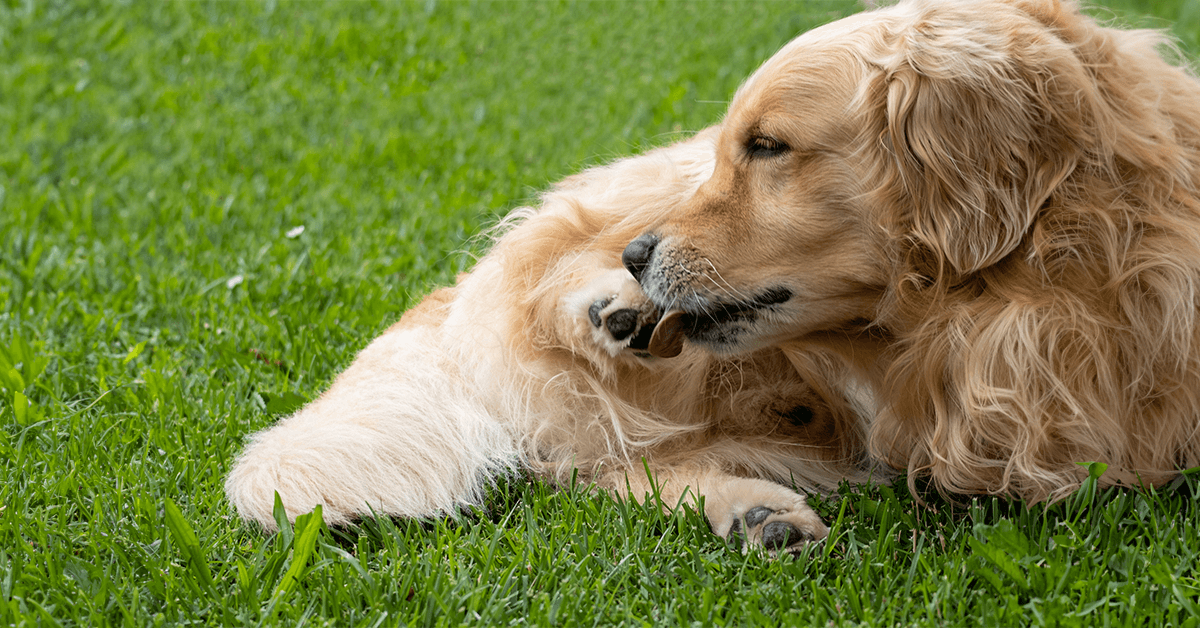
Finding clumps of fur around the house is part of life for many pet parents, but there is a big difference between seasonal shedding and excessive hair loss.
When your dog’s coat begins to look thin, dull, or patchy, it’s often a sign that their body is lacking the essential nutrients needed to maintain healthy follicles.
A dog’s skin and coat are a direct reflection of their internal health, and persistent hair loss is often a “cry for help” from their system.
Fortunately, by adjusting their nutrition and routine, you can help your dog regain a thick, lustrous coat and reduce the frustration of constant shedding.
In this post, we will explore 5 tips to support a dog’s hair falling out, starting with the causes.
Let’s dive in!
What Causes Dog Hair to Fall Out?
Excessive hair loss in dogs, also known as alopecia, can be triggered by a variety of internal and external factors.
While some breeds naturally shed more than others, true hair loss occurs when the hair follicles are damaged or when the body lacks the building blocks to sustain growth.
The most common drivers of canine hair loss include:
- Nutritional Deficiencies: A lack of essential fatty acids, particularly Omega-3s, is a leading cause of brittle hair and premature shedding. Without these healthy fats, the skin becomes dry and the hair follicles weaken.
- Allergies: Just like humans, dogs can suffer from environmental or food allergies. This often leads to “hot spots” and obsessive licking or scratching, which physically pulls the hair out.
- Hormonal Imbalances: Conditions such as hypothyroidism or Cushing’s disease can disrupt the hair growth cycle, leading to symmetrical hair loss along the flanks or back.
- Parasites: Fleas, ticks, and mites (mange) cause intense itching and inflammation. The resulting scratching and skin damage are a primary cause of sudden patchiness.
- Stress and Anxiety: High levels of cortisol can push hair follicles into a “resting” phase, causing them to fall out more easily during times of environmental change or emotional distress.
5 Ways to Support a Dog’s Hair Falling Out
Restoring your dog’s coat requires a “beauty from the inside out” approach.
These five methods focus on nourishing the skin, reducing inflammation, and protecting the hair follicles from damage.
1. Krill Oil for Dogs
If you are looking for the gold standard in coat support, Krill Oil is the answer.
Unlike standard fish oil, the Omega-3 fatty acids in Krill Oil are bound to phospholipids, making them significantly easier for a dog’s body to absorb and utilize.
Krill Oil is exceptionally high in EPA and DHA, which work to reduce skin inflammation and nourish the hair follicle at the root.
By providing these essential building blocks, Krill Oil helps to “lock” the hair into the follicle, reducing unnecessary shedding and promoting a deep, glossy shine.
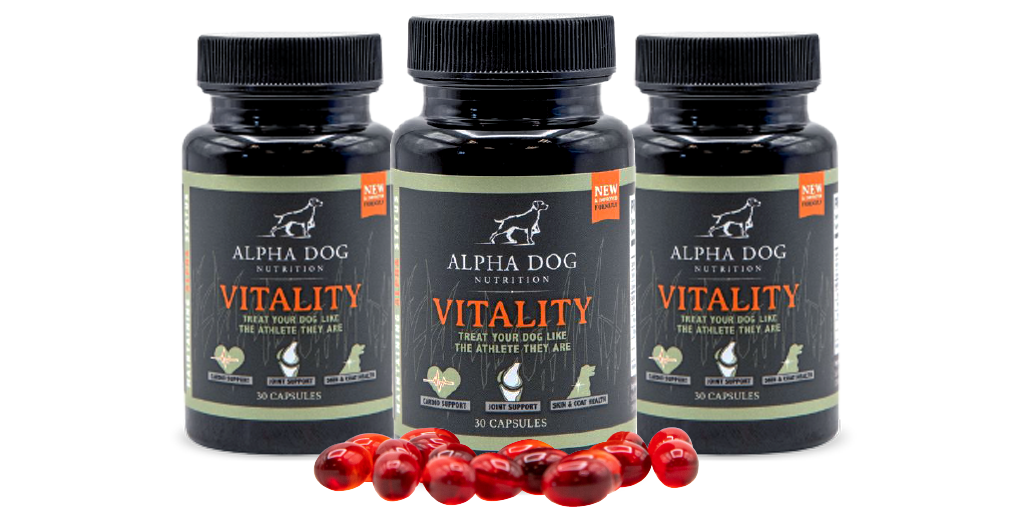
Out of all of the krill oil supplements my dog has tried, his personal favorite is Alpha Dog’s Vitality Krill Oil.
Alpha Dog’s Vitality Krill Oil is a premium supplement designed to tackle dog hair loss by providing highly bioavailable omega-3 fatty acids that nourish the skin and strengthen the hair follicle.
These easy-to-administer softgels help minimize shedding and reduce allergies, providing much-needed relief from the itchiness and discomfort that often lead to patchy coats.
Beyond just a shiny appearance, the natural anti-inflammatory properties of this krill oil also support joint health, making it an essential addition for active or aging dogs seeking peak vitality.
Simply follow the directions on the back and you’re good to go!
2. Regular Brushing and Grooming
While it sounds simple, consistent brushing is one of the best ways to manage hair loss.
Brushing performs two vital functions: it removes dead and loose hair before it falls out on your carpet, and more importantly, it stimulates blood flow to the skin’s surface.
This increased circulation delivers more oxygen and nutrients to the hair follicles, encouraging new growth.
Use a brush specifically designed for your dog’s coat type to ensure you are reaching the undercoat without irritating the skin.
3. High-Quality, Bioavailable Protein
Hair is primarily made of a protein called keratin.
If a dog’s diet is low in high-quality, animal-based protein, the body will prioritize internal organs over hair growth, leading to a dull, thinning coat.
Ensure your dog’s food features real meat as the first ingredient.
Amino acids like biotin and methionine are particularly important for coat integrity.
Supplementing with fresh, dog-safe proteins like eggs (which are rich in biotin) can provide the extra boost needed to repair a damaged coat.
4. Manage Environmental and Food Allergies
If your dog is losing hair due to scratching, you must address the underlying itch.
Many dogs are sensitive to common fillers in commercial kibble, such as corn, soy, or wheat.
Switching to a limited-ingredient diet or a grain-free option can often calm skin inflammation within weeks.
Additionally, wiping your dog’s paws and belly after walks can remove environmental allergens like pollen or pesticides that might be triggering a “scratch-and-shed” cycle.
5. Hydration and Skin Moisture
Dehydrated skin leads to brittle hair that breaks easily.
Ensure your dog is drinking plenty of fresh water throughout the day.
You can also support skin moisture topically by using oatmeal-based shampoos or leave-in conditioners designed for dogs.
These help to soothe the skin barrier and prevent the dryness that leads to “dander” and hair loss.
Avoid over-bathing, however, as washing your dog too frequently can strip away the natural oils that keep the coat supple and protected.
Supporting Your Dog’s Hair
Seeing your dog lose their coat can be stressful, but in many cases, it is a manageable condition that responds well to nutritional intervention.
By prioritizing high-quality fats like Krill Oil and maintaining a consistent grooming and dietary routine, you can help your dog regain a full, healthy coat that they (and you) can be proud of.
Thank you for reading, and here’s to a fluffier, healthier pup!
Affiliate Disclosure
Some of the links on this site are affiliate links. This means that if you click on the link and purchase the item, we may receive an affiliate commission at no extra cost to you. I only recommend products or services that I believe will add value to my readers, however some (not all) do pay us to be on this blog. Your support and theirs helps keep this blog running, and I genuinely appreciate it.
Medical Disclaimer
The information provided on this website is for educational purposes only and is not intended as medical advice. The content shared here is not written by a licensed veterinarian, and it should not be used as a substitute for professional veterinary diagnosis, treatment, or advice. Always consult with your veterinarian or other qualified pet healthcare provider before starting any new treatment or making changes to your pet’s health regimen.