
If you’re a dog owner, you’ve probably seen your furry friend munching on grass from time to time.
While this behavior is often harmless, it can be concerning, especially if your dog is eating large amounts of grass or vomiting afterward.
Understanding why dogs eat grass and how to address it can help alleviate this behavior and keep your dog healthier.
In this blog, we’ll explore five ways to stop your dog from eating grass and provide insights into what might be causing this habit.
Let’s dive in!
Why Does My Dog Eat Grass?
There are several theories about why dogs eat grass, and the reasons can vary depending on the individual dog. Here are some common causes:
- Digestive Upset: Some dogs eat grass when they’re feeling nauseous or to induce vomiting. Grass can help clear out their stomachs if they’re feeling ill or have eaten something that doesn’t sit well.
- Nutritional Deficiencies: Dogs may seek out grass if they’re missing certain nutrients in their diet, such as fiber or minerals.
- Boredom or Anxiety: Some dogs may eat grass when they’re bored, stressed, or anxious, as it provides a way to pass the time or cope with their emotions.
- Natural Instinct: In some cases, eating grass is simply a natural behavior inherited from wild ancestors who consumed plants for additional fiber or medicinal properties.
- Taste or Curiosity: Some dogs simply enjoy the taste and texture of grass, or they may be curious about it.
Now, let’s explore five effective ways to help reduce or eliminate your dog’s grass-eating behavior.
5 Ways to Stop Dogs Eating Grass
1. Use a Prebiotic and Probiotic Powder for Dogs
A prebiotic and probiotic powder for dogs can help improve your dog’s digestive health and reduce the likelihood of them eating grass to soothe an upset stomach.
Probiotics contain beneficial bacteria that support gut health, while prebiotics act as food for these good bacteria, helping to balance the digestive system.
By improving digestion and addressing any potential nutrient imbalances, prebiotic and probiotic powders can reduce the need for your dog to eat grass as a way of self-medicating.
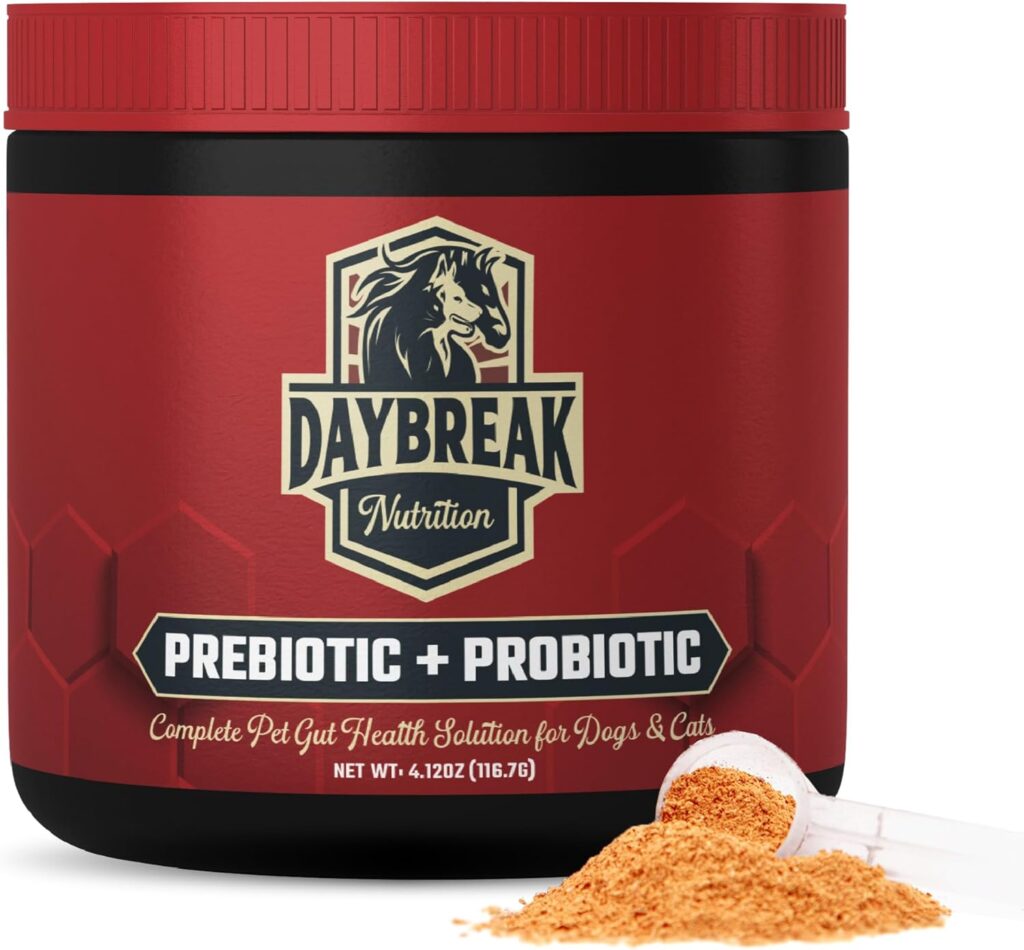
Out of all of the prebiotic & probiotic powders my dog has tried, Daybreak Nutrition’s Prebiotic + Probiotic is his personal favorite.
This powder is great for helping stop dogs from eating grass by improving their digestive health.
The 6 billion CFU of probiotics, combined with natural prebiotics from flaxseed and pumpkin, support healthy gut flora, reduce digestive discomfort, and improve nutrient absorption.
This helps address the underlying digestive issues that might lead to grass eating, such as nausea or upset stomachs.
Simply follow the directions on the back and you’re good to go!
2. Provide a Balanced Diet
Nutritional deficiencies are a common reason dogs eat grass, so ensuring your dog is on a well-balanced diet is key to curbing this behavior.
High-quality dog food that is rich in essential nutrients like fiber, vitamins, and minerals can help prevent grass eating due to nutritional needs.
If your dog is eating grass due to a fiber deficiency, you can supplement their diet with additional fiber-rich foods like pumpkin or sweet potatoes.
Make sure to consult your vet for recommendations on the best diet for your dog, especially if you suspect nutritional imbalances.
3. Regular Exercise and Mental Stimulation
Boredom and anxiety are common causes of grass-eating in dogs.
If your dog is not getting enough exercise or mental stimulation, they may resort to eating grass as a way to pass the time or deal with stress.
Regular physical activity, such as walking, playtime, and mental exercises like puzzle toys or training sessions, can help reduce boredom and anxiety.
A tired dog is less likely to engage in undesirable behaviors, including eating grass.
Be sure to provide your dog with enough opportunities to burn off energy and stay mentally engaged throughout the day.
4. Offer Safe, Digestible Chews
Sometimes, dogs eat grass out of habit or because they are attracted to the texture of the plant.
Offering safe, digestible chews and treats can redirect their attention away from grass.
Chews that promote dental health or provide extra fiber can satisfy their chewing instincts and keep them from nibbling on grass.
Look for chews that are specifically designed for dogs to help prevent digestive issues and ensure they’re safe for consumption.
5. Consult with a Veterinarian
If your dog’s grass-eating behavior is excessive or accompanied by symptoms like vomiting or diarrhea, it’s important to consult with a veterinarian.
Your vet can help identify any underlying health issues that might be causing the behavior, such as gastrointestinal discomfort, nutrient deficiencies, or anxiety.
A veterinarian can also recommend dietary changes or medications that can help address the root cause of your dog’s grass-eating habit and improve their overall health.
Stop Dogs Eating Grass
While it’s common for dogs to eat grass from time to time, excessive grass consumption can be a sign of underlying health issues or behavioral problems.
By using a prebiotic and probiotic powder for dogs, providing a balanced diet, offering mental stimulation, and ensuring your dog is getting enough exercise, you can reduce their urge to eat grass.
If the behavior continues or your dog shows signs of illness, it’s always a good idea to consult with a veterinarian to rule out any health concerns.
With the right approach, you can help your dog stay healthy, happy, and grass-free!
Thank you for reading!
Affiliate Disclosure
Some of the links on this site are affiliate links. This means that if you click on the link and purchase the item, we may receive an affiliate commission at no extra cost to you. I only recommend products or services that I believe will add value to my readers, however, some (not all) do pay us to be on this blog. Your support and theirs help keep this blog running, and I genuinely appreciate it.
Medical Disclaimer
The information provided on this website is for educational purposes only and is not intended as medical advice. This blog or the writer is not a licensed healthcare professional, and the content should not be used as a substitute for professional medical diagnosis, treatment, or advice. Always consult with your physician or other qualified healthcare provider before starting any new treatment or making any changes to your pet’s healthcare routine.