
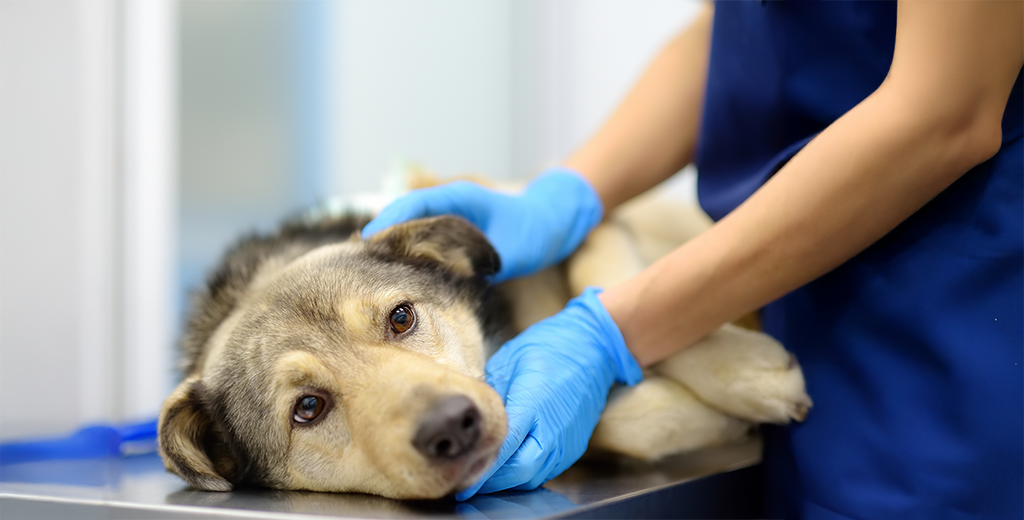
A sprained ankle can slow even the most energetic dog down, leaving them limping, stiff, or reluctant to play.
Just like humans, dogs can twist or overextend their joints during play, exercise, or everyday movement.
While most mild sprains heal with rest and care, supporting recovery through nutrition, supplements, and environment can help your dog bounce back faster and prevent future injuries.
In this post, we will explore 5 ways to support sprained ankles, starting with what causes sprained ankles in dogs.
Let’s dive in!
What Causes Sprained Ankles in Dogs?
Sprained ankles in dogs typically occur when a joint is overstretched, twisted, or impacted beyond its normal range of motion.
This can happen from rough play, sudden jumps, slippery surfaces, or landing awkwardly after running or leaping.
Overweight dogs, senior dogs, and those with arthritis are also at higher risk due to weakened joints and reduced flexibility.
Common signs include limping, swelling, tenderness, licking the affected area, or avoiding putting weight on one leg.
Early intervention and proper care are key to reducing inflammation and promoting joint healing.
1. Joint Support Supplement
Joint support supplements can play a vital role in easing discomfort and helping the healing process after a sprain.
Ingredients like glucosamine, chondroitin, & MSM can support joint tissue, reduce inflammation, and promote better mobility.
They help maintain healthy cartilage and ligaments, supporting both short-term recovery and long-term joint strength.
A high-quality joint support supplement provides the nutrients needed to restore mobility and reduce the risk of future injuries.
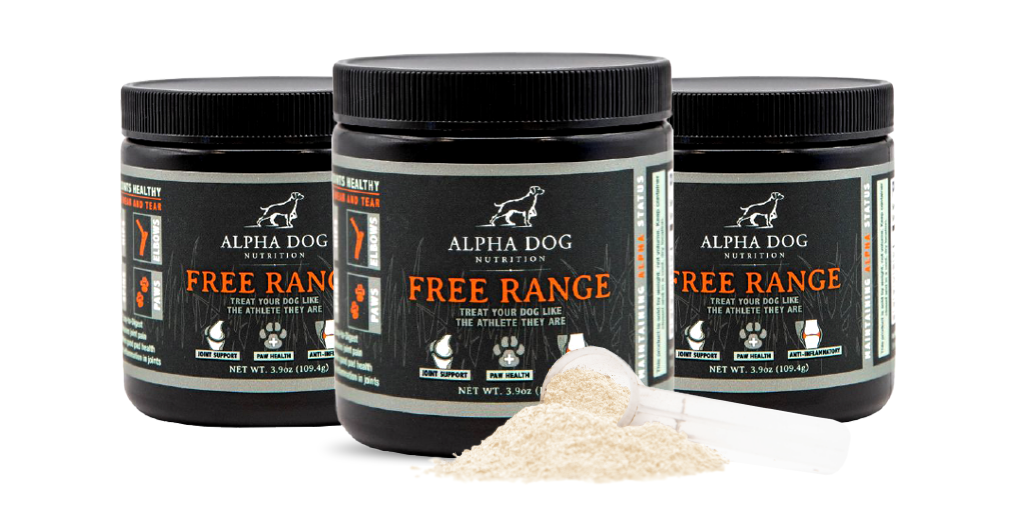
Out of all of the joint support supplements my dog has tried, his personal favorite is Alpha Dog’s Free Range Joint Support Powder.
Alpha Dog is an excellent choice for dogs recovering from a sprained ankle because it delivers highly effective joint-nourishing ingredients like glucosamine, chondroitin, MSM, and vitamin E, all known for supporting tissue repair, reducing inflammation, and improving mobility.
Its premium, time-tested formula helps support swelling and discomfort, allowing your dog’s injured joint to heal more comfortably and efficiently.
With real beef liver powder for natural flavor and added B vitamins, it’s easy for dogs to take and provides additional nutritional support during recovery.
Simply follow the directions on the back and you’re good to go!
2. Rest and Controlled Movement
Rest is one of the most important steps in recovery.
Limit your dog’s activity for several days to allow the joint to heal and inflammation to subside.
Avoid running, jumping, or long walks until your vet gives the green light.
Once the swelling decreases, introduce short, controlled leash walks to maintain circulation and prevent stiffness.
Gradually reintroducing activity helps rebuild strength and flexibility in the injured joint without overloading it.
3. Use Warm Compresses and Gentle Massage
After the first 48 hours, applying warm compresses to your dog’s sprained ankle can help stimulate blood flow and ease muscle tension.
This promotes faster healing by bringing nutrients to the affected tissues and helping flush out inflammation.
Gentle massage around the area (never directly on the swollen joint) can also help relax tight muscles and support lymphatic drainage.
Always be gentle and stop immediately if your dog shows discomfort.
4. Maintain a Healthy Weight
Extra body weight puts unnecessary pressure on your dog’s joints, increasing the risk of sprains and slowing down recovery.
Keeping your dog at a healthy weight reduces stress on their ankles and helps prevent future injuries.
Work with your veterinarian to develop a balanced feeding plan that supports lean muscle mass and healthy joint function.
Regular, moderate exercise and portion control can make a big difference in your dog’s long-term joint health.
5. Provide a Supportive Environment
Your home environment can make recovery much smoother for a dog with a sprained ankle.
Provide non-slip rugs on hardwood floors, use ramps or steps for furniture access, and ensure your dog has a comfortable orthopedic bed for rest.
Minimizing the need for jumping or climbing helps your dog move comfortably and confidently during healing.
These small adjustments can also prevent re-injury and provide ongoing joint support for aging or mobility-challenged dogs.
Support Sprained Ankles
Recovering from a sprained ankle takes time, patience, and the right support.
Alongside professional care, incorporating joint support, gentle rest, controlled exercise, and a safer home environment can make healing smoother and more comfortable for your dog.
Remember: your veterinarian should always be your first partner in guiding that process, so make sure you work alongside them to maximize your dog’s recovery.
Every small step you take helps reduce pain, protect their joints, and restore their confidence on their feet.
With the right plan and consistent vet guidance, your dog can get back to moving comfortably and enjoying life again.
Thank you for reading!
Affiliate Disclosure
Some of the links on this site are affiliate links. This means that if you click on the link and purchase the item, we may receive an affiliate commission at no extra cost to you. I only recommend products or services that I believe will add value to my readers, however some (not all) do pay us to be on this blog. Your support and theirs helps keep this blog running, and I genuinely appreciate it.
Medical Disclaimer
The information provided on this website is for educational purposes only and is not intended as medical advice. The content shared here is not written by a licensed veterinarian, and it should not be used as a substitute for professional veterinary diagnosis, treatment, or advice. Always consult with your veterinarian or other qualified pet healthcare provider before starting any new treatment or making changes to your pet’s health regimen.