
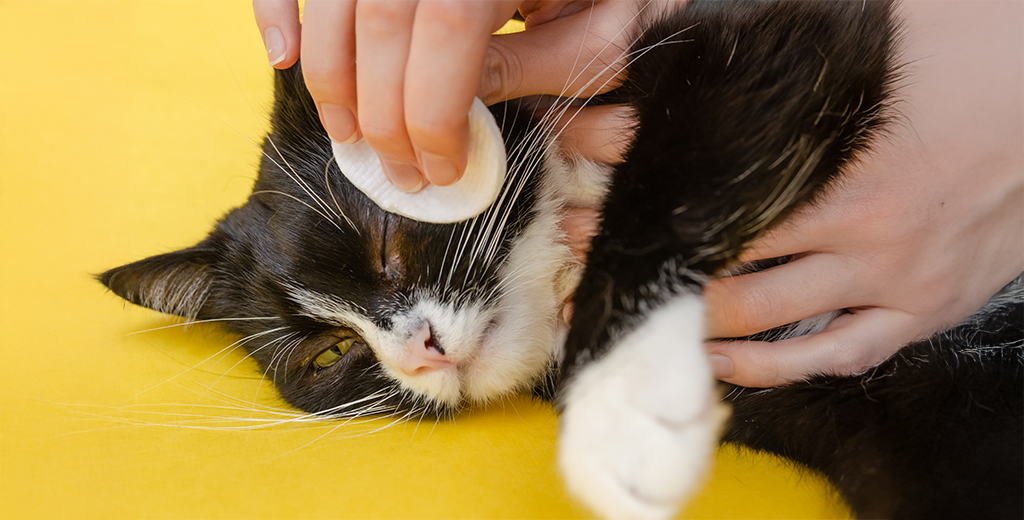
It is often said that a cat’s eyes are the windows to their health, and few things are more concerning to a pet parent than seeing those windows become cloudy, crusty, or watery.
Cat eye discharge is a common occurrence, ranging from a simple, clear tear to thick, yellow, or green mucus.
Because cats are prone to upper respiratory issues and have unique ocular anatomy, persistent discharge is usually a sign that their immune system is fighting an uphill battle.
In this post, we will explore 5 ways to ease cat eye discharge, starting with its causes.
Let’s dive in!
What Causes Discharge in Cat Eyes?
Eye discharge in cats, often referred to as “weepy eyes,” occurs when the tear ducts are either overproducing fluid to flush out an irritant or are blocked by inflammation.
The most common triggers for feline eye discharge include:
- Feline Herpesvirus-1 (FHV-1): This is the leading cause of respiratory and eye issues in cats. Once a cat is exposed, the virus stays in their system and “flares up” during times of stress, causing squinting and clear-to-cloudy discharge.
- Upper Respiratory Infections (URIs): Similar to a human cold, viral or bacterial infections can cause the mucous membranes around the eye (the conjunctiva) to become red and swollen, leading to “mucky” eyes.
- Allergies: Cats can be sensitive to environmental triggers like dust, strong perfumes, cigarette smoke, or pollen, which causes the eyes to water excessively.
- Corneal Ulcers: A scratch on the surface of the eye, often from a tiff with another cat or a run-in with a household plant, can lead to localized inflammation and constant tearing.
- Physical Irritants: Sometimes, foreign objects like a stray hair, a piece of litter, or even inverted eyelashes (entropion) can physically scratch the eye, leading to a protective discharge.
5 Ways to Ease Cat Eye Discharge
Supporting a cat with eye issues requires a dual approach: boosting their internal immune response to manage viral loads and providing gentle topical relief to keep the area clean.
1. Lysine for Cats
If your cat’s eye discharge is linked to the Feline Herpesvirus, which is the case for a vast majority of shelter rescues and outdoor cats, L-Lysine is your most powerful tool.
L-Lysine is an essential amino acid that works by competing with Arginine, another amino acid that the herpesvirus needs to replicate.
By supplementing with Lysine, you effectively “starve” the virus, preventing it from reproducing.
This significantly reduces the severity and frequency of flare-ups, leading to clearer eyes, less squinting, and fewer respiratory symptoms.
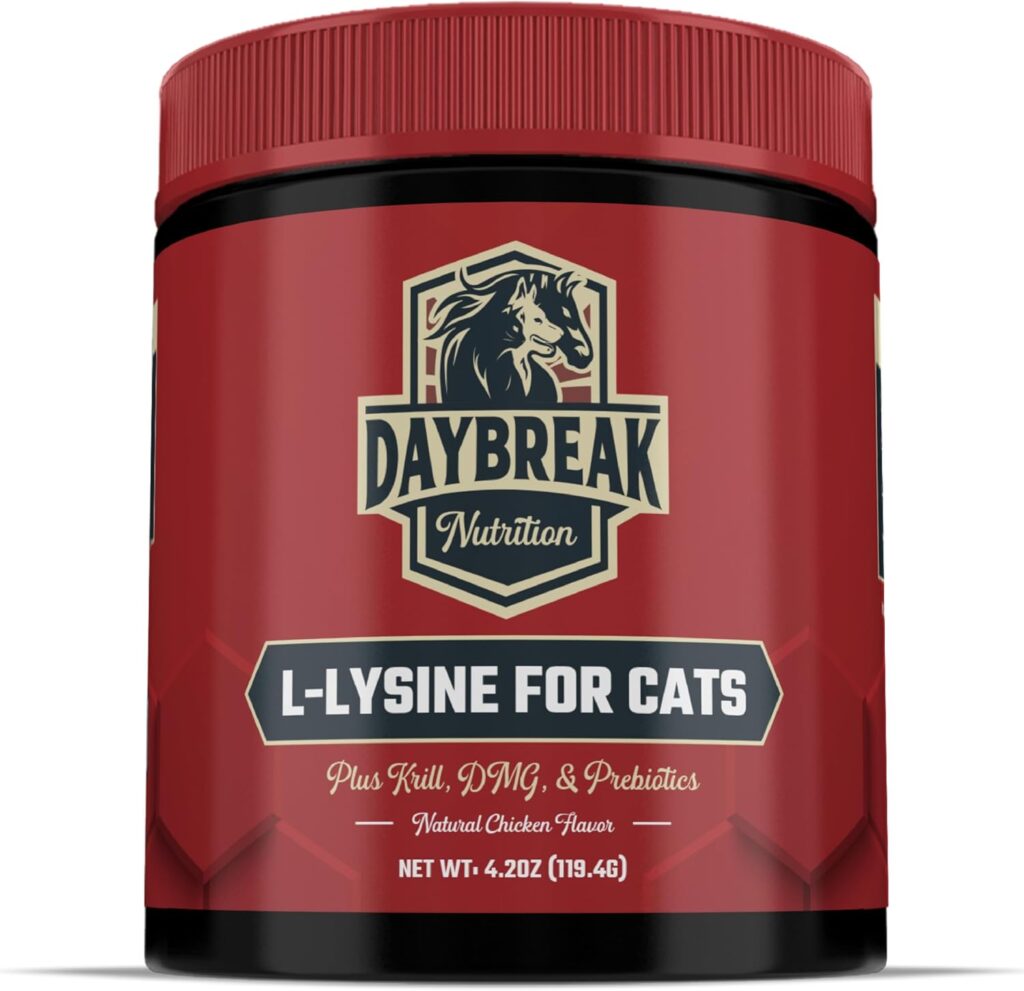
Out of all of the lysine supplements my cat has tried, her personal favorite is Daybreak’s Lysine for Cats.
Daybreak’s L-Lysine for Cats is a high-potency immune support supplement specifically formulated to help felines manage the symptoms of Feline Herpesvirus and upper respiratory issues.
By providing a concentrated source of this essential amino acid, it effectively interferes with viral replication, helping to clear up “weepy” eyes, reduce sneezing, and prevent painful squinting.
These easy-to-administer supplements are a natural, proactive way to boost your cat’s defenses and maintain clear, bright eyes even during times of stress.
Simply follow the directions on the back, and you’re good to go!
2. Warm Water Compresses
When eye discharge dries, it forms a hard, “goopy” crust that can be painful and may even seal the cat’s eyelids shut.
Never try to pick these crusts off while dry, as it can damage the delicate skin around the eye.
Instead, soak a soft, clean cloth or cotton ball in warm (not hot) water and hold it gently against the eye for 30–60 seconds.
This softens the debris, allowing you to wipe it away effortlessly.
Clearing the “crusties” prevents further bacterial buildup and makes your cat much more comfortable.
3. Saline Eye Flushes
If the discharge is caused by a physical irritant like dust or a stray hair, a simple sterile saline flush can provide immediate relief.
Use a plain saline solution (ensure it contains no preservatives or redness-relief chemicals) to gently rinse the surface of the eye.
This mimics the cat’s natural tears and helps float any foreign particles toward the corner of the eye where they can be safely wiped away.
This is an excellent way to soothe “glassy” or red eyes caused by environmental allergies.
4. Reduce Environmental Stress
Because many causes of eye discharge, particularly the herpesvirus, are triggered by stress, maintaining a calm environment is a vital part of the healing process.
High cortisol levels suppress the immune system, allowing viruses to take hold.
Ensure your cat has a quiet place to rest, away from loud noises or aggressive housemates.
By lowering their stress, you allow their immune system to dedicate more energy to suppressing viral replication and clearing the inflammation in their eyes.
5. Maintain Proper Humidity
Dry air can irritate the ocular membranes and cause the tear film to evaporate too quickly, leading to “dry eye” and subsequent irritation.
Using a cool-mist humidifier in the room where your cat spends the most time can help keep the air moist.
This prevents the mucous membranes from becoming parched and inflamed, which reduces the need for the eye to overproduce the thick, sticky discharge that leads to crusting.
Ease Cat Eye Discharge
While many cases of cat eye discharge can be managed with immune support like Lysine and proper hygiene, it is important to watch for “red flags.”
If your cat is pawing at their eye excessively, if the eye looks cloudy, or if the discharge is a thick yellow/green color, a trip to the vet is necessary to rule out a serious infection.
By staying proactive with your cat’s health, you can ensure they keep those beautiful eyes clear and bright.
Thank you for reading, and here’s to your cat’s clear vision!
Affiliate Disclosure
Some of the links on this site are affiliate links. This means that if you click on the link and purchase the item, we may receive an affiliate commission at no extra cost to you. I only recommend products or services that I believe will add value to my readers; however, some (not all) do pay us to be on this blog. Your support and theirs help keep this blog running, and I genuinely appreciate it.
Medical Disclaimer
The information provided on this website is for educational purposes only and is not intended as medical advice. This blog or the writer is not a licensed healthcare professional, and the content should not be used as a substitute for professional medical diagnosis, treatment, or advice. Always consult with your physician or other qualified healthcare provider before starting any new treatment or making any changes to your pet’s healthcare routine.