
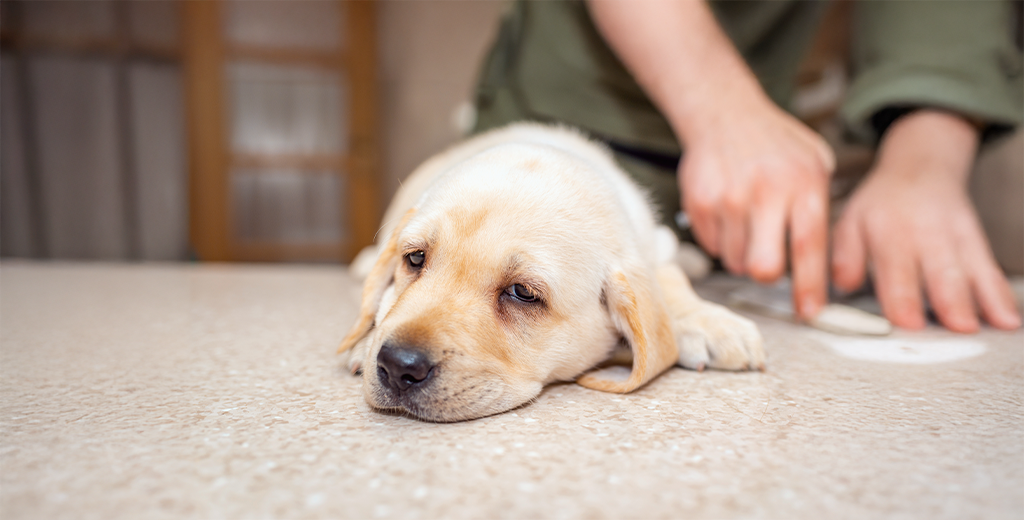
Just like humans, dogs can catch a “cold” that leaves them feeling sluggish, congested, and thoroughly under the weather.
While your pup can’t catch a cold virus from you, they are highly susceptible to their own unique set of canine respiratory viruses and bacteria.
A dog cold can quickly turn a high-energy pet into a coughing, sniffling shadow of themselves.
In this post, we will explore 5 ways to support dog colds, starting with its causes.
Let’s dive in!
What Causes Dog Colds?
A canine “cold” is actually an upper respiratory infection (URI). It occurs when viruses or bacteria invade the lining of the nose and throat, causing swelling and mucus production.
The most common culprits behind a dog cold include:
- Canine Parainfluenza Virus: A highly contagious virus that spreads through the air when an infected dog sneezes or coughs. It causes a harsh, hacking cough and nasal discharge.
- Bordetella bronchiseptica: The most common bacterial cause of respiratory disease in dogs, often working hand-in-hand with viruses to create the condition known as “Kennel Cough.”
- Canine Respiratory Coronavirus: Distinct from other coronaviruses, this specific strain attacks the respiratory system, leading to sneezing, snuffling, and low energy.
- Dry, Irritated Airways: Cold winter air combined with indoor heating can dry out the protective mucus lining in your dog’s nose, making it easier for airborne pathogens to take hold.
- Shared Spaces: Dog parks, boarding kennels, and groomers are hotspots for these germs, where nose-to-nose contact or shared water bowls pass the bugs along instantly.
5 Ways to Support a Dog Cold
When your pup is dealing with a bug, your focus should be on boosting their internal defenses and managing their environment to thin out mucus.
1. Dog Immune Support Supplement
The absolute best line of defense against a dog cold is a high-quality Dog Immune Support Supplement.
When a virus enters your dog’s system, their white blood cells need immediate reinforcement to stop the pathogen from spreading into the lungs.
Supplements packed with Mushroom Extracts (like Reishi, Shiitake, and Maitani) and Vitamin C work from the inside out to naturally boost immune cell activity.
By giving their body the raw materials it needs to fight the infection, a daily immune supplement can shorten the duration of the cold and help prevent a simple sneeze from turning into secondary bacterial pneumonia.
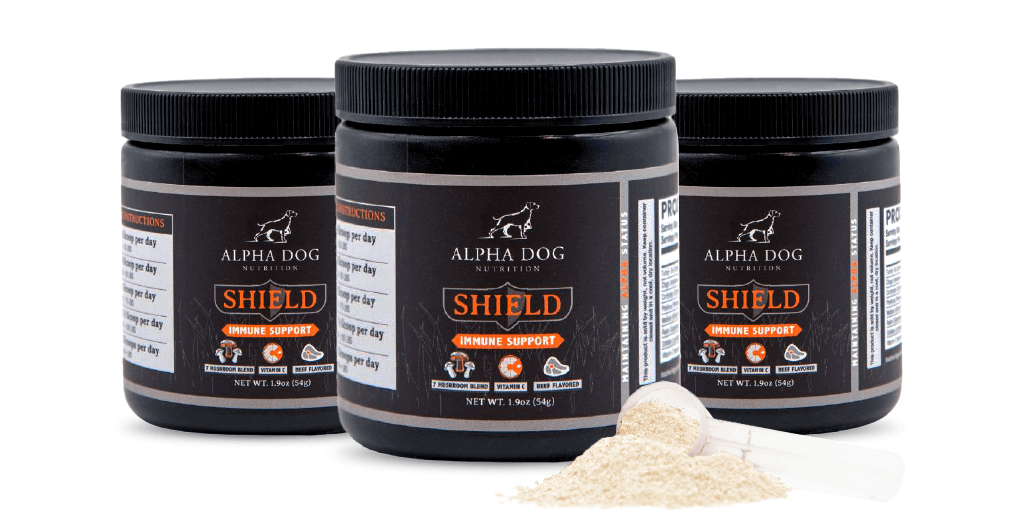
Out of all of the immune supplements my dog has tried, his personal favorite is Alpha Dog’s Shield.
Alpha Dog’s Shield is great for supporting dog colds because it delivers a potent blend of seven nutritional mushroom powders (including Turkey Tail, Reishi, and Shiitake), which are rich in beta-glucans that actively boost a dog’s immune response.
This immune support, combined with Vitamin C, helps the body more effectively fight off the viral and bacterial pathogens responsible for the cold.
Simply follow the directions on the back and you’re good to go!
2. The Shower Steam Method
When mucus builds up in a dog’s narrow nasal passages, it can become thick and hard to dislodge.
You can naturally loosen this congestion by bringing your dog into the bathroom while you run a hot shower.
Let them relax in the concentrated steam for 10 to 15 minutes.
The warm, moist air acts as a gentle expectorant, breaking up the thick “plugs” in their nose and making it much easier for them to sneeze out the fluid, instantly relieving pressure in their sinuses.
3. Keep Fluids Flowing with Warm Bone Broth
Hydration is critical when a dog is fighting off a cold. Fluid is required to keep the respiratory tract moist and flush toxins out of the body.
If your dog is feeling lethargic and refusing water, try offering warm, low-sodium bone broth (ensure it contains no onions or garlic).
The rich scent appeals to their dull sense of smell, enticing them to drink, while the warm liquid helps soothe an irritated, scratchy throat caused by coughing.
4. Provide a Humidified Rest Zone
Dry indoor air is the enemy of a healing respiratory system.
To keep your dog’s nasal membranes from drying out and cracking, place a cool-mist humidifier right next to their favorite sleeping spot.
By infusing the air with consistent moisture, you ensure that their breathing remains smooth and quiet throughout the night, allowing them to get the deep, restorative sleep their immune system needs to repair itself.
5. Elevate and Warm Their Food
Because a cold blocks a dog’s sense of smell, they will often refuse their regular dry kibble simply because they can’t smell it.
To keep their energy up, switch to canned wet food and warm it slightly in the microwave for a few seconds.
Heating the food causes the aromatic oils to rise, bypassing their congestion so they can taste it. Proper nutrition provides the essential calories required to keep their strength up during recovery.
Supporting Dog Colds
Most dog colds run their course within a week or two with proper rest and immune support.
However, if your dog develops a deep, wet cough, loses their appetite completely, or shows signs of labored breathing, please contact your veterinarian right away, as these can be signs of a more serious respiratory condition.
Thank you for reading, and here is to a quick recovery and a clear-breathing pup!
Affiliate Disclosure
Some of the links on this site are affiliate links. This means that if you click on the link and purchase the item, we may receive an affiliate commission at no extra cost to you. I only recommend products or services that I believe will add value to my readers, however some (not all) do pay us to be on this blog. Your support and theirs helps keep this blog running, and I genuinely appreciate it.
Medical Disclaimer
The information provided on this website is for educational purposes only and is not intended as medical advice. The content shared here is not written by a licensed veterinarian, and it should not be used as a substitute for professional veterinary diagnosis, treatment, or advice. Always consult with your veterinarian or other qualified pet healthcare provider before starting any new treatment or making changes to your pet’s health regimen.