
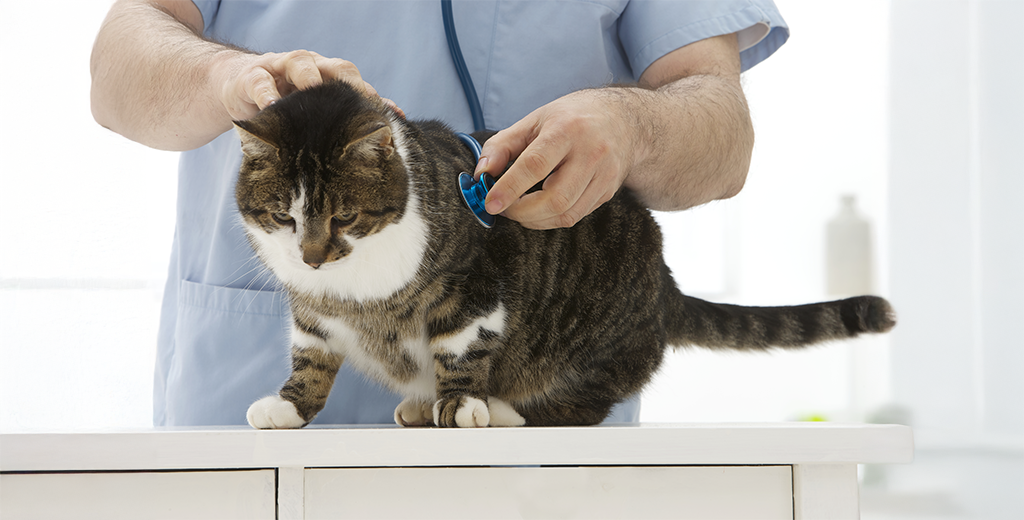
Watching a feline companion grow quiet, lose weight, or spend endless minutes standing at the water bowl can be heartbreaking.
Kidney issues, often categorized as feline renal decline or chronic renal dysfunction, are among the most common health challenges facing cats, particularly as they enter their golden years.
Because the kidneys act as the body’s primary filtration system, any reduction in their function leads to a buildup of waste products in the bloodstream, affecting everything from energy levels to appetite.
Understanding what triggers renal decline and implementing a proactive support routine can make a profound difference in your cat’s daily comfort and quality of life.
In this post, we will explore 5 ways to support kidney problems in cats, starting with the causes of renal decline.
Let’s dive in!
What Causes Renal Decline in Cats?
Feline renal decline occurs when the functional units of the kidneys, known as nephrons, become damaged and can no longer filter waste products efficiently from the blood.
The primary factors behind cat kidney issues include:
- Age-Related Wear and Tear: As cats age, the natural blood flow to their organs slowly decreases, leading to a gradual loss of functional kidney tissue over time.
- Chronic Ingestion of Toxins: Everyday household hazards—such as lilies (which are exceptionally toxic to feline kidneys), anti-freeze, human medications (like ibuprofen), and toxic houseplants—can cause sudden, irreversible kidney damage.
- Frequent Urinary Tract Infections: Bacterial infections that start in the lower urinary tract or bladder can travel upward into the kidneys (pyelonephritis), causing structural inflammation and scarring.
- Polycystic Kidney Disease (PKD): An inherited genetic condition common in certain breeds (like Persians and Ragdolls) where fluid-filled cysts gradually expand and destroy normal kidney tissue.
- Dehydration and Low-Moisture Diets: Cats have a naturally low thirst drive and evolved to get moisture from their prey. A lifetime spent eating exclusively dry kibble can leave a cat in a state of mild, chronic dehydration, placing continuous stress on the kidneys.
5 Ways to Support Feline Renal Health
Managing feline kidney support requires a comprehensive strategy focused on reducing the workload on the organs and keeping toxic waste products at manageable levels.
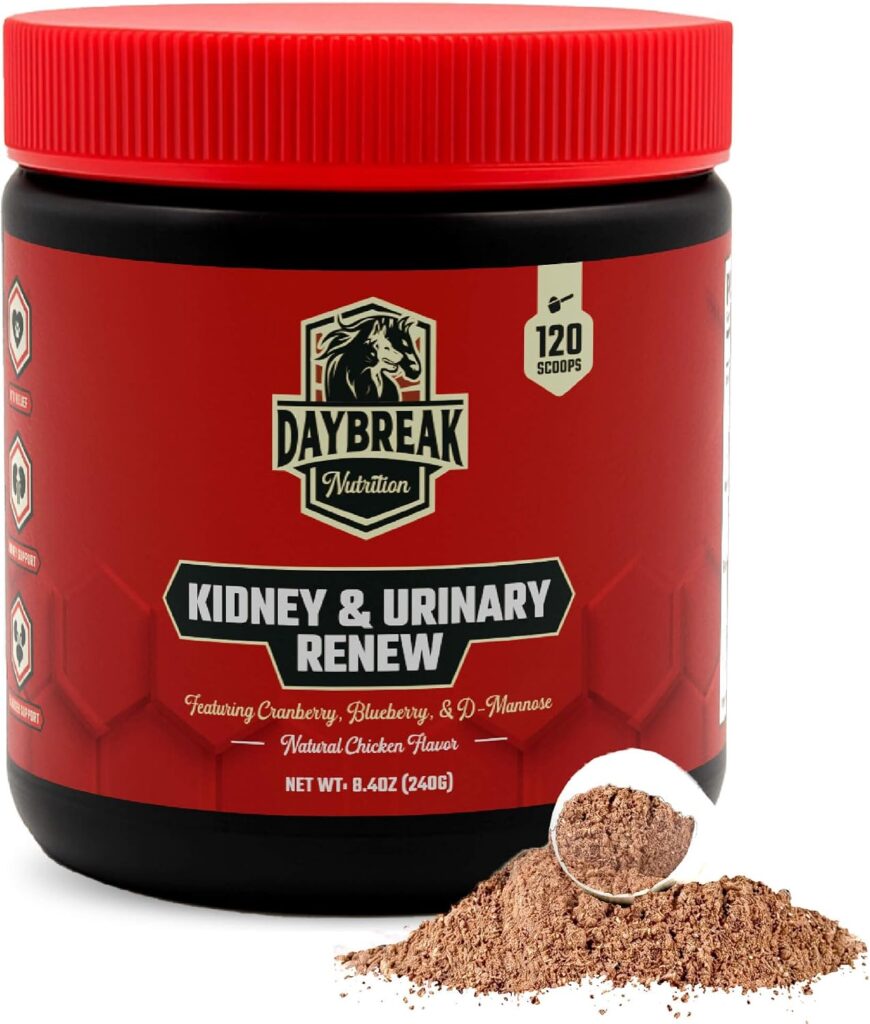
1. Kidney and Urinary Support Supplement
The most effective foundation for managing renal decline is adding a dedicated Kidney and Urinary Support Supplement to your cat’s daily routine.
Targeted supplements combining ingredients like Astragalus Root Extract, D-Mannose, and Cranberry work together to support normal renal tissue function and maintain a healthy urinary tract environment.
Astragalus helps promote blood flow to the kidneys, while Rehmannia supports healthy cellular repair within the organs.
Furthermore, because cats with kidney issues lose vital nutrients through frequent urination, a comprehensive supplement helps replenish essential B vitamins and potassium, keeping their strength up without placing additional stress on their digestive system.
My cat loves this kidney and urinary support supplement because it supports feline renal health by using a specialized Renal Support Complex featuring 50% polysaccharide Astragalus Root Extract and Rehmannia 4:1 Extract to promote blood flow and maintain healthy tissue function in compromised kidneys.
This formula works to flush out waste products while its Essential Nutrient Replenishment Complex replaces the vital potassium and B vitamins (B6, B12, and folic acid) frequently lost through increased urination.
By combining this dual-action support with a savory, natural chicken-flavored powder that easily mixes into wet food, it helps maintain fluid balance and overall organ vitality without forcing your cat to swallow pills.
Simply follow the directions on the back, and you’re good to go!
2. Transition to a Moisture-Rich Diet
Cats dealing with kidney challenges need all the extra hydration they can get.
Dry kibble requires a cat’s body to draw moisture out of its own tissues just to digest the food.
Switching to a high-moisture diet, such as veterinary-formulated wet food, raw food, or balanced homemade stews, drastically increases your cat’s daily water intake.
Look for diets with high-quality, easily digestible proteins and reduced phosphorus levels, as high phosphorus places an extra burden on compromised kidney tissue.
3. Increase Water Intake with Running Water Fountains
Because stagnant water in a bowl isn’t always appealing to a cat, providing multiple circulating water fountains throughout your home encourages frequent drinking.
Running water triggers a cat’s natural instinct to drink clean, fresh water.
You can also boost their fluid intake by adding warm, low-sodium bone broth (free of onions or garlic) to their wet food, creating a delicious gravy that keeps their fluid levels high and flushes waste products through their system.
4. Administer Subcutaneous Fluids (As Recommended)
In more advanced stages of renal decline, your veterinarian may recommend administering subcutaneous (SQ) fluids at home.
This simple process involves delivering a sterile electrolyte solution directly under the skin using a small needle.
The cat’s body slowly absorbs this fluid reservoir over several hours, helping to manually flush out accumulated toxins, ease nausea, and prevent dangerous dehydration crashes.
5. Maintain a Low-Stress Environment
Cats with renal challenges are particularly sensitive to environmental stress, which can trigger spikes in blood pressure that further damage delicate kidney capillaries.
Keep your cat’s daily routine predictable, ensure litter boxes are easily accessible with low sides, and place cozy, warm beds away from busy household draft zones. Reducing systemic stress helps stabilize their blood pressure and preserves their overall vitality.
Support Your Cat’s Kidney Problems
Supporting a cat through renal decline is a journey of careful daily management and continuous love.
By integrating a targeted kidney supplement, maximizing their daily moisture intake, and keeping their home environment calm, you can help your feline friend stay comfortable and happy for years to come.
Thank you for reading, and here is to your cat’s ongoing health and comfort!
Affiliate Disclosure
Some of the links on this site are affiliate links. This means that if you click on the link and purchase the item, we may receive an affiliate commission at no extra cost to you. I only recommend products or services that I believe will add value to my readers, however some (not all) do pay us to be on this blog. Your support and theirs helps keep this blog running, and I genuinely appreciate it.
Medical Disclaimer
The information provided on this website is for educational purposes only and is not intended as medical advice. The content shared here is not written by a licensed veterinarian, and it should not be used as a substitute for professional veterinary diagnosis, treatment, or advice. Always consult with your veterinarian or other qualified pet healthcare provider before starting any new treatment or making changes to your pet’s health regimen.