
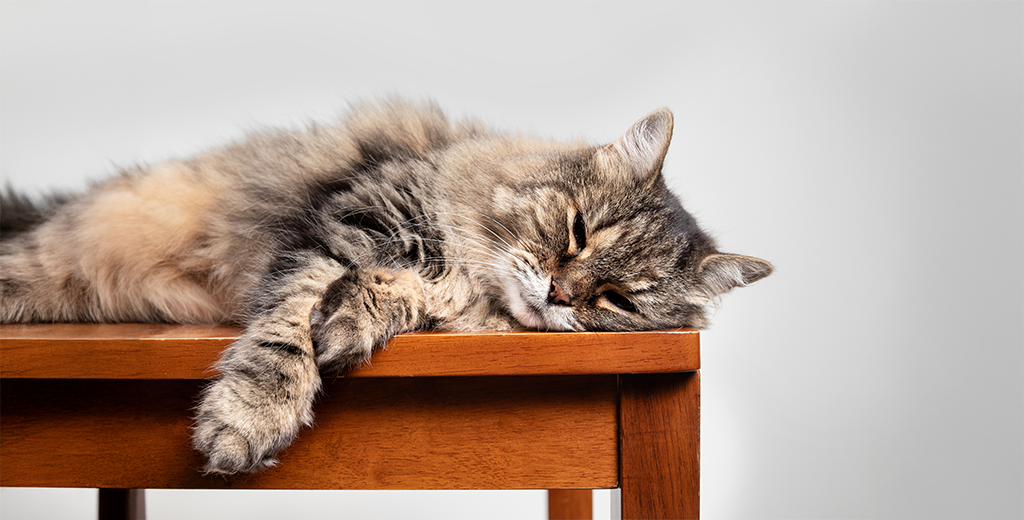
Seeing your cat make frequent, stressful trips to the litter box, only to pass a few painful drops of urine or cry in discomfort, is heartbreaking for any pet parent.
Urinary tract issues are among the most common health challenges in felines, causing intense irritation, straining, and household accidents.
Because a clear, healthy urinary tract is essential for your cat’s everyday comfort and stamina, acting early with proactive daily care can make a world of difference in their recovery and long-term well-being.
In this post, we will explore 5 ways to support cat urinary infections, starting with its causes.
Let’s dive in!
What Causes Cat Urinary Infections?
A feline urinary tract infection (UTI) occurs when bacteria colonize the bladder and urethra, leading to painful localized inflammation.
While UTIs are more frequently seen in senior cats or those with underlying conditions like diabetes or kidney issues, several core triggers contribute to urinary stress:
- Bacterial Invasion: Opportunistic bacteria (most commonly E. coli) enter through the urethra, clinging to the lining of the bladder and rapidly multiplying.
- Low Fluid Intake: Cats have a naturally low thirst drive. Eating an exclusively dry kibble diet can lead to highly concentrated urine that sits in the bladder longer, allowing bacteria to thrive.
- Microscopic Crystals & Debris: Mineral buildup in the bladder irritates the delicate mucosal lining, making it much easier for bacteria to attach and cause an infection.
- Environmental & Routine Stress: Sudden changes in the home—such as moving, loud noises, or new pets—can alter a cat’s immune response and bladder lining defenses.
5 Ways to Support Cat Urinary Health
Managing feline urinary issues requires a two-pronged strategy: clearing out unwanted bacteria and keeping your cat thoroughly hydrated.
1. D-Mannose for Cats
The single most effective natural foundation for feline urinary health is adding D-Mannose to your cat’s daily routine.
D-Mannose is a simple, plant-derived compound that works systemically by binding directly to the harmful bacteria trying to attach to the bladder wall. Instead of letting bacteria stick and trigger a painful infection, it encapsulates them so they can be safely flushed out through normal urination.
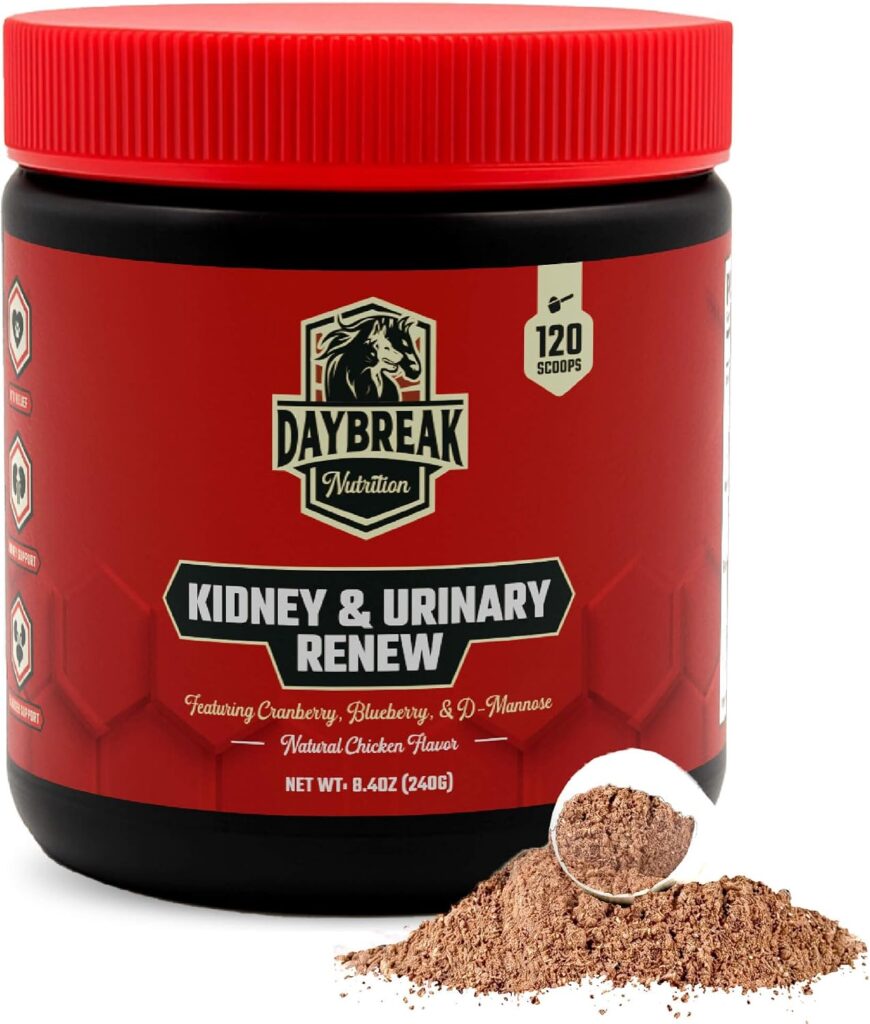
Out of all the d-mannose supplements my cat has tried, this one is her personal favorite.
It pairs high-purity D-Mannose with cranberry, blueberry, and Astragalus root extract to soothe the entire urinary tract, support compromised tissue, and replenish vital B vitamins lost through frequent trips to the box—all in a savory, chicken-flavored powder cats love.
Simply follow the directions on the back and you’re good to go!
2. Transition to High-Moisture Canned or Wet Food
To clear out an infected or irritated bladder, you need a steady stream of dilute urine.
Switching your cat to a high-moisture wet food diet instantly increases their daily fluid intake.
Dilute urine is far less irritating to damaged bladder tissues and continuously flushes out loose bacteria before it can form sticky biofilms.
3. Add Pet Water Fountains Throughout the Home
Because cats instinctively prefer running water over still dishes, placing circulating pet fountains in quiet areas of your house encourages frequent drinking.
You can also boost their hydration by mixing warm, low-sodium bone broth (free of onions and garlic) directly into their meals to create a delicious, hydrating gravy.
4. Implement the “N+1” Litter Box Rule
Litter box stress can cause cats to hold their urine, which allows bacteria to sit and multiply inside the bladder.
Always provide one more litter box than the total number of cats in your home (e.g., three boxes for a two-cat household).
Place them in low-traffic, easy-to-access locations and scoop them daily to encourage regular, stress-free bathroom breaks.
5. Soothe Environmental Stress
Because stress can weaken the protective mucosal layer of the bladder, keeping your cat’s environment calm is vital during recovery.
Use synthetic feline pheromone diffusers, keep feeding schedules consistent, and provide cozy, elevated perches where your pup feels safe and secure.
Note: Straining in the litter box without passing urine—especially in male cats—can indicate a life-threatening urethral blockage. If your cat is unable to pass urine, contact your veterinarian immediately.
Thank you for reading, and here is to your cat’s ongoing health and urinary comfort!
Affiliate Disclosure
Some of the links on this site are affiliate links. This means that if you click on the link and purchase the item, we may receive an affiliate commission at no extra cost to you. I only recommend products or services that I believe will add value to my readers, however some (not all) do pay us to be on this blog. Your support and theirs helps keep this blog running, and I genuinely appreciate it.
Medical Disclaimer
The information provided on this website is for educational purposes only and is not intended as medical advice. The content shared here is not written by a licensed veterinarian, and it should not be used as a substitute for professional veterinary diagnosis, treatment, or advice. Always consult with your veterinarian or other qualified pet healthcare provider before starting any new treatment or making changes to your pet’s health regimen.