
It’s a moment every dog owner knows all too well: that frantic, middle-of-the-night scramble to the back door, only to realize you didn’t quite make it in time.
Dog diarrhea is more than just a messy cleanup: it’s a stressful signal that your pup’s delicate digestive ecosystem is out of balance.
Whether it was a “counter-surfing” incident, a sudden change in kibble, or a bout of seasonal stress, loose stools can quickly lead to dehydration and discomfort for your furry friend.
To get your dog back to their happy, high-energy self, you have to move beyond just waiting it out, so in this post, we are going to explore 5 ways to reduce dog diarrhea, along with what causes diarrhea in dogs.
Let’s dive in!
What Causes Diarrhea in Dogs?
Diarrhea in dogs can be caused by various factors, including:
- Dietary Changes: Sudden changes in diet or the introduction of new foods can upset a dog’s digestive system.
- Food Intolerances: Some dogs may have sensitivities or allergies to specific ingredients, leading to gastrointestinal upset.
- Infections: Viral, bacterial, or parasitic infections can cause diarrhea as the body attempts to expel harmful pathogens.
- Stress: Changes in environment, routine, or the presence of new animals can lead to stress-related diarrhea.
- Medical Conditions: Underlying health issues, such as inflammatory bowel disease (IBD) or pancreatitis, can also manifest as diarrhea.
Recognizing these causes can help you implement effective strategies to manage your dog’s digestive health.
5 Ways to Reduce Dog Diarrhea
1. Take a Fiber for Dogs Powder
A prebiotic + probiotic powder is an excellent solution for dog diarrhea, as it works to restore balance to your dog’s gut microbiome.
The probiotics help replenish the beneficial bacteria in your dog’s digestive system, promoting proper digestion and improving stool consistency.
Meanwhile, the prebiotics act as food for these good bacteria, supporting their growth and activity.
Together, they can help regulate your dog’s digestive function, reduce inflammation, and soothe upset stomachs, making it easier for them to recover from diarrhea.
Out of all of the prebiotics and probiotics my dog has tried, his personal favorite is Daybreak’s Fiber for Dogs powder.
Fiber for dogs is the ultimate solution for dog diarrhea because it combines high-quality Psyllium Husk and Beet Root to rapidly absorb excess liquid and firm up loose stools.
This maximum-strength formula also uses a proprietary blend of Dandelion Root and Prebiotics to soothe the digestive tract and restore a healthy gut microbiome for dogs of any size.
By eliminating the fillers and additives found in other supplements, it provides clean, effective relief that stops the “scoots” and helps your dog return to optimal digestive performance quickly.
Simply follow the directions on the back and you’re good to go!
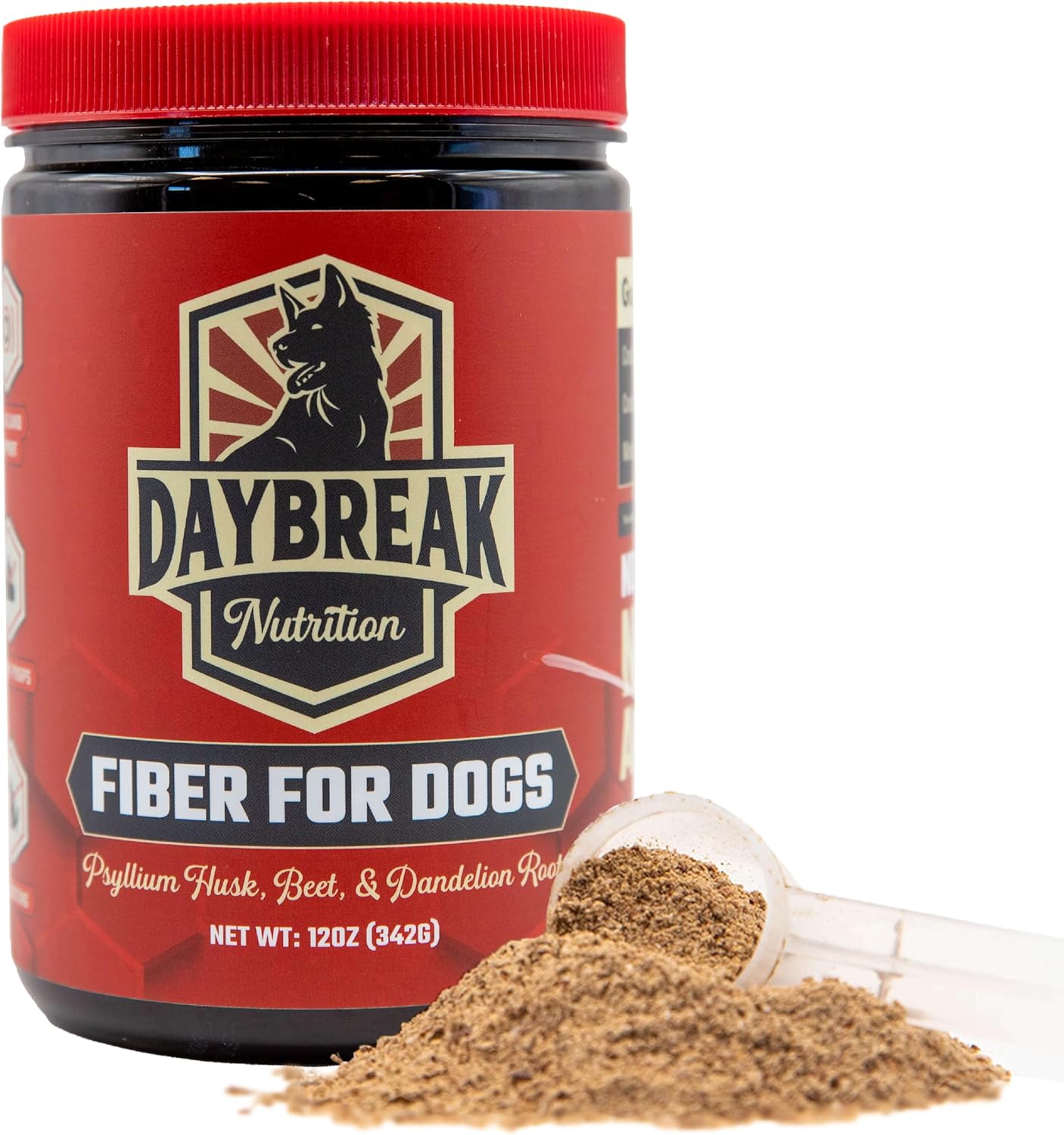
Add psyllium husk to your dog’s food as directed on the package or by your veterinarian.
2. Ensure Proper Hydration
Diarrhea can lead to rapid dehydration, so keeping your dog well-hydrated is crucial.
Ensure they have constant access to fresh water, as hydration is essential for recovery.
Monitor your dog’s water intake and encourage them to drink by providing a clean, easily accessible bowl.
Consider offering an electrolyte solution formulated for pets if diarrhea persists.
3. Introduce a Bland Diet
When a dog experiences diarrhea, switching to a bland diet can help soothe their digestive system.
Foods that are gentle on the stomach can reduce irritation and promote recovery.
Common bland diet options include boiled chicken (without skin and bones), plain white rice, or pumpkin.
Gradually reintroduce their regular diet once their stool normalizes.
4. Limit Treats and Table Scraps
During an episode of diarrhea, it’s important to limit the number of treats and table scraps you give your dog.
These foods can irritate their digestive system and make diarrhea worse.
Stick to their regular, previously-mentioned bland diet until their stool returns to normal, and avoid giving them any new or unfamiliar foods that could further upset their stomach.
5. Consult Your Veterinarian
If your dog’s diarrhea persists for more than 24 hours, or if it is accompanied by other concerning symptoms (like vomiting, lethargy, or blood in the stool), consulting your veterinarian is essential.
Your vet can perform a thorough examination, run tests if necessary, and provide appropriate treatments or medications to address the underlying cause of the diarrhea.
Reduce Your Dog’s Diarrhea
Managing dog diarrhea involves a combination of dietary adjustments, hydration, and professional care.
By incorporating a prebiotic and probiotic, ensuring proper hydration, introducing a bland diet, limiting treats and table scraps, and consulting your veterinarian when necessary, you can effectively support your dog’s digestive health.
Understanding the underlying causes of diarrhea and implementing these strategies will help keep your furry friend comfortable and healthy.
Thank you for reading!
Affiliate Disclosure
Some of the links on this site are affiliate links. This means that if you click on the link and purchase the item, we may receive an affiliate commission at no extra cost to you. I only recommend products or services that I believe will add value to my readers, however some (not all) do pay us to be on this blog. Your support and theirs helps keep this blog running, and I genuinely appreciate it.
Medical Disclaimer
The information provided on this website is for educational purposes only and is not intended as medical advice. The content shared here is not written by a licensed veterinarian, and it should not be used as a substitute for professional veterinary diagnosis, treatment, or advice. Always consult with your veterinarian or other qualified pet healthcare provider before starting any new treatment or making changes to your pet’s health regimen.