
Author: Tony
-
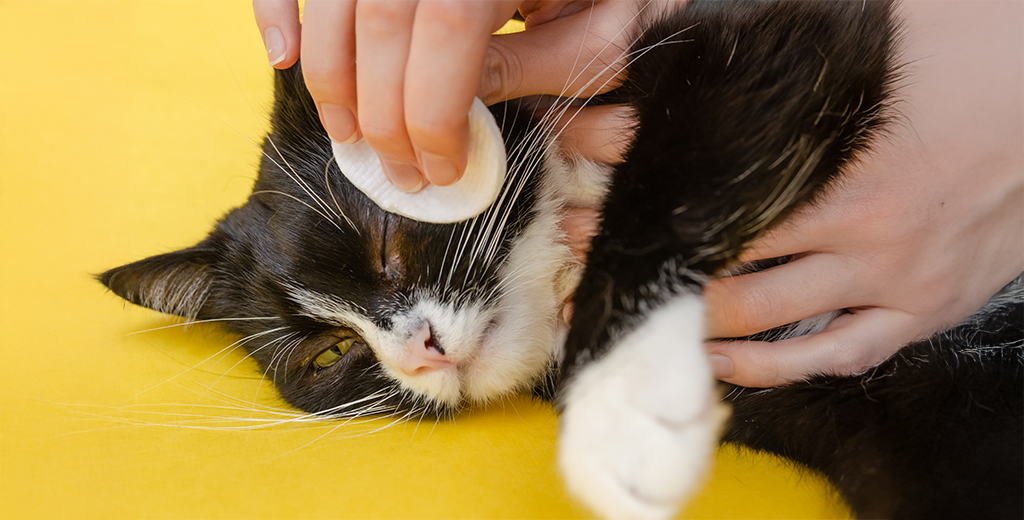
5 Ways to Ease Cat Eye Discharge: What Causes Discharge in Cat Eyes?
•
It is often said that a cat’s eyes are the windows to their health, and few things are more concerning to a pet parent than seeing those windows become cloudy, crusty, or watery. Cat eye discharge is a common occurrence, ranging from a simple, clear tear to thick, yellow, or…
-
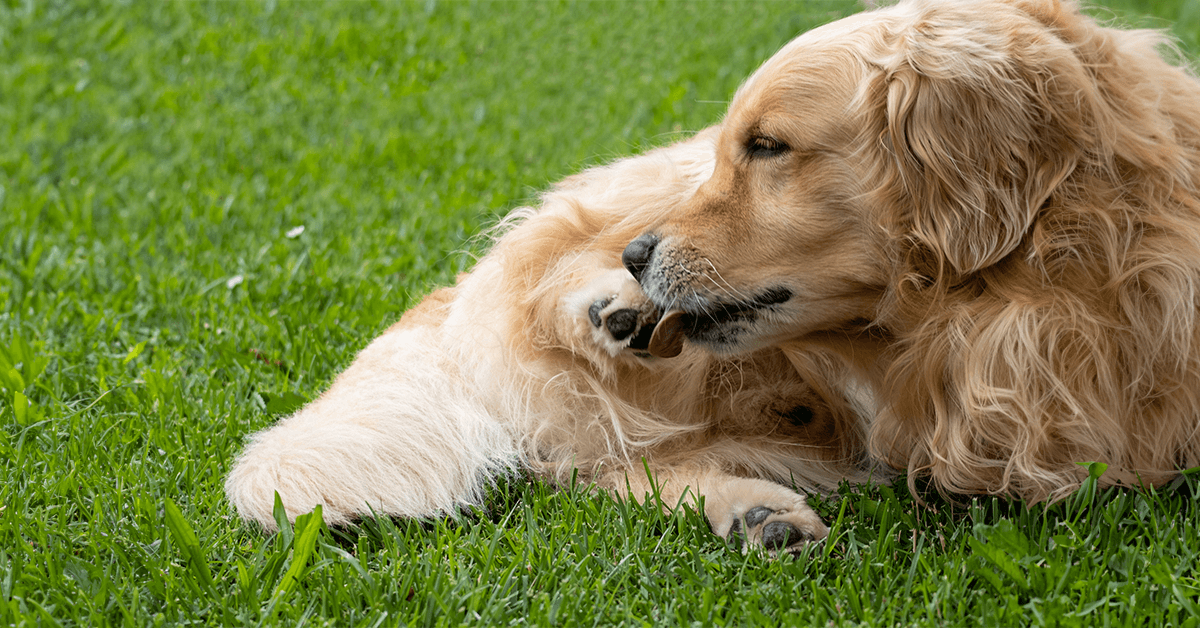
5 Ways to Support Dog’s Hair Falling Out: What Causes Dog Hair to Fall Out?
•
Finding clumps of fur around the house is part of life for many pet parents, but there is a big difference between seasonal shedding and excessive hair loss. When your dog’s coat begins to look thin, dull, or patchy, it’s often a sign that their body is lacking the essential…
-
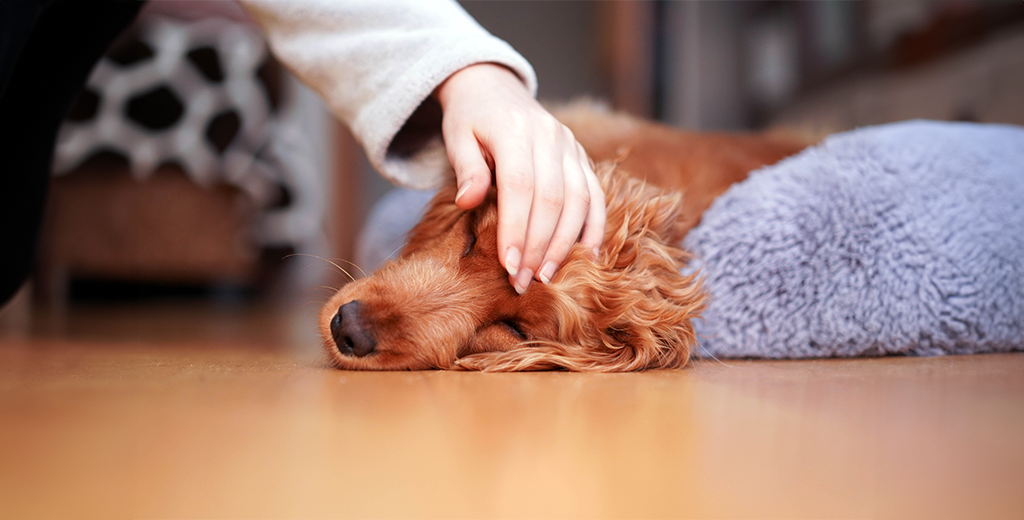
5 Ways to Ease Dog Colds: What Causes Dog Colds?
•
Just like humans, dogs can catch a common cold. While their symptoms are often less severe and they don’t catch the exact viruses we do, a “dog cold” refers to a mild upper respiratory infection that leaves your canine companion feeling under the weather with symptoms like a runny nose,…
-
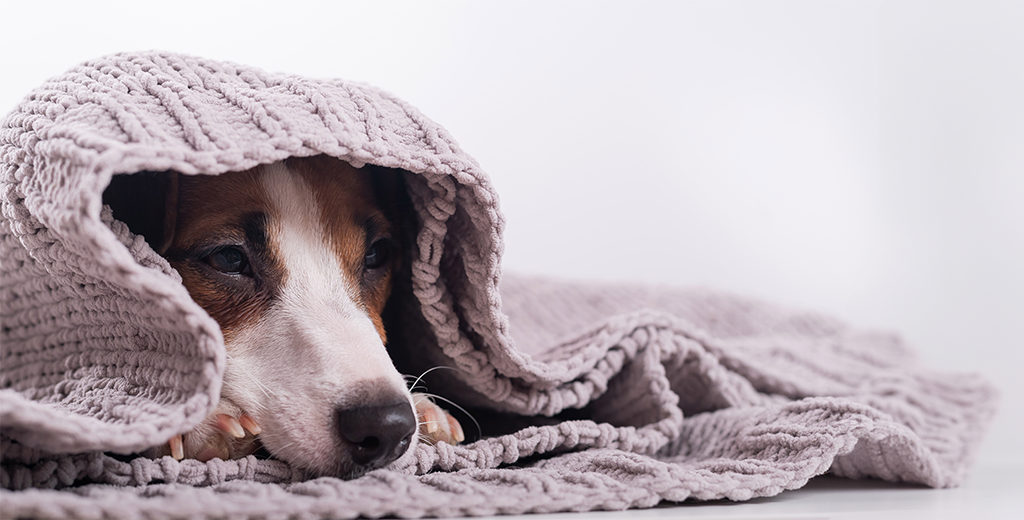
5 Ways to Ease Kennel Cough: What Causes Kennel Cough?
•
If your dog has recently developed a dry, honking, hacking cough that sounds like they have something stuck in their throat, they likely have kennel cough. Formally known as Canine Infectious Respiratory Disease (CIRD), this highly contagious condition is the canine equivalent of a chest cold. While rarely serious in…
-
5 Ways to Support Dog Sprained Ankle Recovery: What Causes Sprained Ankles in Dogs?
•
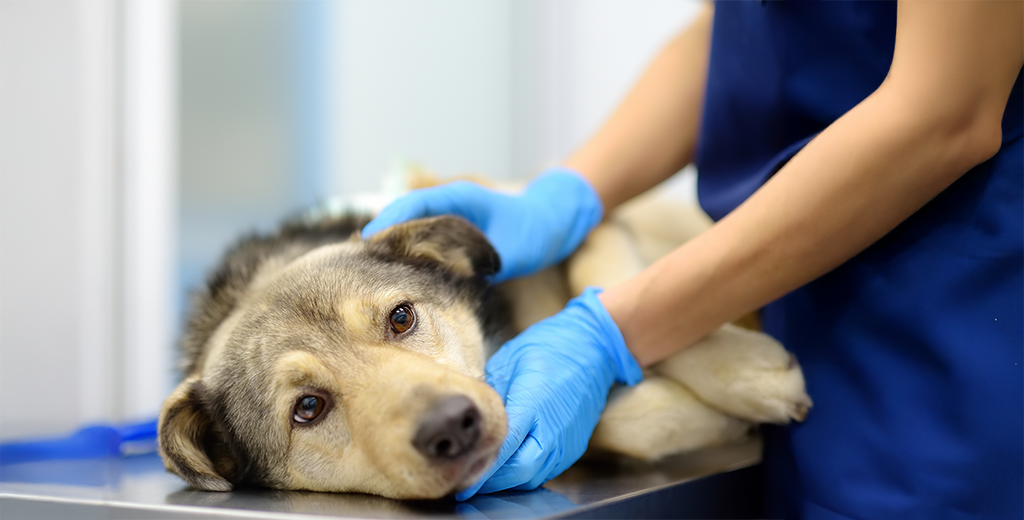
A sprained ankle can slow even the most energetic dog down, leaving them limping, stiff, or reluctant to play. Just like humans, dogs can twist or overextend their joints during play, exercise, or everyday movement. While most mild sprains heal with rest and care, supporting recovery through nutrition, supplements, and…
-
5 Ways to Stop Slimy Dog Poops: What Causes Slimy Dog Poops?
•
If you’ve noticed a slimy coating on your dog’s poop, it can be a little alarming, but it’s actually your dog’s body sending you a signal. Slimy or mucusy stools are often a sign that something is off in your dog’s digestive system. While occasional mucus isn’t necessarily cause for…
-
5 Ways to Stop Your Dog from Eating Dog Poop: What Causes Dogs to Eat Their Own Poop?
•
Few habits are as unpleasant as catching your dog eating their own poop, a behavior called coprophagia. While it may seem strange or even gross to us, it’s actually quite common among dogs. The good news is that there are ways to discourage this behavior naturally and safely while also…
-
5 Ways to Support Dog Gingivitis: What Causes Gingivitis in Dogs?
•
Just like humans, dogs can suffer from teeth and gum issues, and gingivitis is one of the earliest and most common stages. It can cause red, swollen gums, bad breath, and discomfort when eating or chewing. The good news is that gingivitis can often be prevented or even reversed with…
-
5 Ways to Ease Dog Constipation: What Causes Constipation in Dogs?
•
Constipation is a common digestive issue in dogs that can cause discomfort, straining, and changes in appetite or behavior. While occasional constipation may resolve on its own, persistent or severe constipation can be a sign of an underlying problem that needs attention. Fortunately, there are natural ways to support your…
-
5 Ways to Ease Cat Sneezing: What Causes Cat Sneezing?
•
Frequent sneezing in cats can be a worrying and uncomfortable issue for both pets and their owners. While occasional sneezes are normal, persistent sneezing may indicate underlying issues such as infections, allergies, or irritants in your cat’s environment. Fortunately, there are natural ways to support your cat’s respiratory health and…